Natural gas is an efficient and reliable way to heat your home, power appliances, and provide hot water. But like any utility system, gas lines require proper installation, regular attention, and respect for the potential hazards involved.
A gas leak can create serious fire, explosion, and health risks. Fortunately, many gas line problems can be prevented or caught early when homeowners know what to look for and when to call a professional.
Know Where Your Gas Lines Are
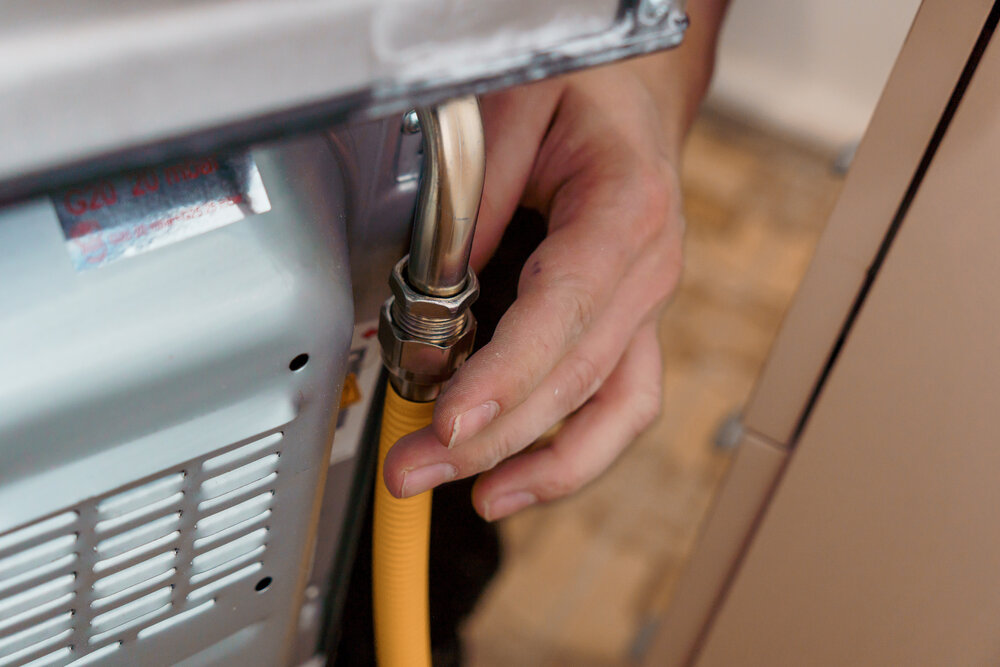
Gas lines run from the home’s gas meter to appliances such as furnaces, water heaters, fireplaces, ranges, dryers, and outdoor equipment. Some homes also have gas lines running to outdoor kitchens, fire pits, grills, or pool equipment.
Knowing where these lines and shutoff valves are located is especially important during an emergency. Every household member should know where the main gas shutoff is and understand that turning it off may require a wrench or other appropriate tool, depending on the setup.
If you are unsure where your home’s gas shutoff is located, a professional plumber can help you identify it.
Recognize the Signs of a Gas Leak
Natural gas itself is odorless. Gas utilities add an odorant, commonly described as a rotten egg or sulfur-like smell, so leaks can be detected more easily.
However, smell isn’t the only warning sign. Potential indications of a gas leak can include:
- A rotten egg or sulfur-like odor
- Hissing or whistling sounds near a gas line or appliance
- Dead or discolored vegetation near an underground gas line
- Bubbles in standing water over a buried gas line
- Physical symptoms such as dizziness, nausea, headaches, or unusual fatigue when indoors
Never ignore a suspected gas leak because the smell seems faint. Even a small leak can become a serious problem.
What to Do If You Suspect a Gas Leak
Avoid turning lights or appliances on or off, using electrical switches, lighting matches, smoking, or doing anything else that could create a spark. Leave the home and move to a safe location before contacting your gas utility or emergency services.
Do not attempt to repair a leaking gas line yourself.
Gas piping and connections should be inspected and repaired by qualified professionals who understand the requirements for working with natural gas systems.
Watch for Aging or Damaged Gas Lines
Gas piping can last for many years, but that doesn’t mean it is immune to deterioration.
Older homes may have outdated piping, fittings, or connections that deserve closer attention. Corrosion, physical damage, improper modifications, and deteriorating connections can all create potential problems.
Pay particular attention to areas where gas piping may be exposed to moisture, physical impact, construction activity, or other environmental conditions.
If you’re purchasing an older home or remodeling an existing one, it’s worth having the gas system evaluated rather than assuming everything is still up to current standards.
Don’t Move or Modify Gas Lines Yourself
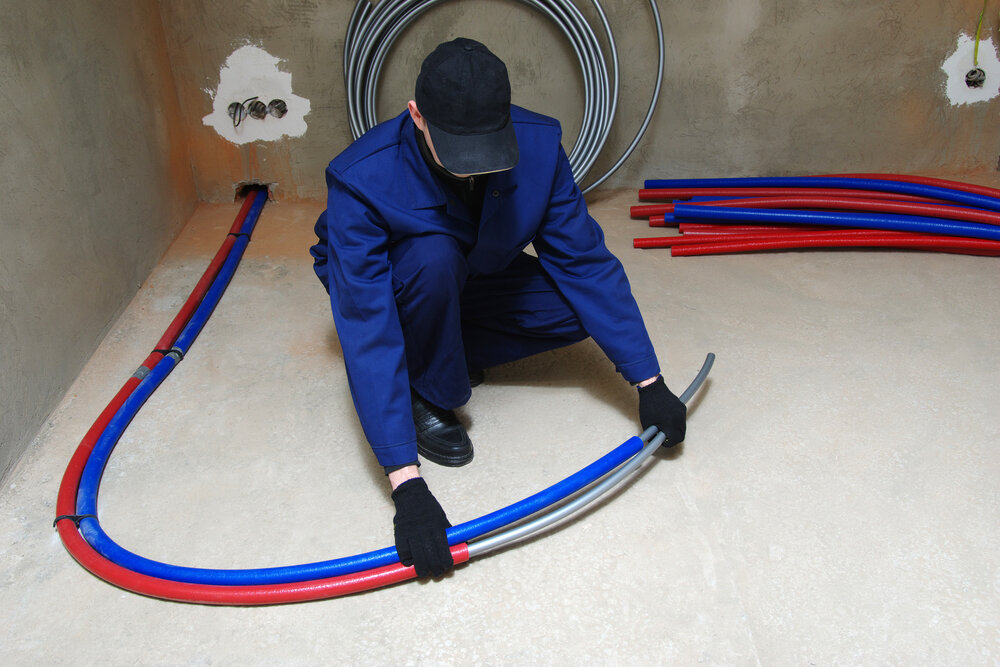
Installing a new appliance, remodeling a kitchen, finishing a basement, adding a fireplace, or making changes around the exterior of a home may require gas piping to be moved or extended.
But you should never relocate, extend, disconnect, or modify gas lines as a DIY project.
Even if a new connection appears straightforward, improper installation can result in leaks, appliance problems, carbon monoxide concerns, or violations of applicable plumbing and fuel-gas requirements.
Before starting a project that could affect existing gas piping, have a qualified plumber determine the scope.
Gas Appliances Need Attention Too
Your gas lines are only one part of the overall system. The appliances connected to them also need proper maintenance.
Furnaces, water heaters, gas ranges, fireplaces, dryers, and other gas-burning appliances should be maintained according to the manufacturer’s recommendations.
Keep vents and combustion-air openings clear, and never block a flue or exhaust vent. Appliances that aren’t properly vented or maintained can produce carbon monoxide, an odorless and potentially deadly gas.
Installing carbon monoxide detectors near sleeping areas and on each level of the home is an important additional safety measure.
Be Careful During Landscaping and Construction
If your property has underground gas lines running to an outdoor appliance or other gas-powered feature, digging, planting trees, installing fences, building decks, or completing other excavation projects can potentially damage those lines.
Before digging, always have underground utilities properly located. Never assume that you know where a buried gas line is based on where an appliance or meter appears to be located.
A damaged underground gas line may not immediately look like an emergency, but it can allow gas to escape into the surrounding soil or create a dangerous situation during excavation.
When Should You Have Your Gas Lines Inspected?
There isn’t a single inspection schedule that applies to every home. The age of the property, condition of the piping, type of fuel system, previous modifications, and local requirements can all affect how often an inspection may be appropriate.
An inspection is particularly worth considering if:
- You’re buying or selling a home
- Your home has older gas piping
- You’ve noticed corrosion or physical damage
- You’re remodeling or adding a gas appliance
- You’ve had recurring problems with gas appliances
- You aren’t sure whether previous gas line work was done properly
- A gas line has been exposed to flooding or other damage
- You’re converting appliances from one fuel source to another
A professional inspection can identify problems that aren’t obvious from simply looking at the exposed piping.
Gas Line Safety Is Preventive Maintenance
Most homeowners don’t think about their gas lines until something goes wrong, and that’s understandable. When a system is working properly, it’s easy to forget that it’s there.
But gas line safety is much like other forms of home maintenance. Identifying corrosion, damaged piping, deteriorating connections, or improper installations before they become emergencies can help protect your home and the people inside it.
The most important rule is simple: don’t take chances with gas. If you smell gas, suspect a leak, or have concerns about the condition of your home’s gas piping, leave potentially dangerous repairs to a qualified professional.
For homeowners in the Seattle area, Fischer Plumbing can help inspect, repair, and maintain residential plumbing and gas systems so you can have confidence that your home’s infrastructure is working safely and properly.