PEX Repiping for Older Homes: Cost, Lifespan, and What to Expect
If you own an older home, you’ve probably worried about how much life your plumbing system has left. Maybe you’ve dealt with recurring leaks, inconsistent water pressure, or discolored water. Perhaps you’ve already paid for a few pipe repairs and are starting to question whether fixing one problem at a time still makes sense.
At some point, repairing aging plumbing becomes more expensive and frustrating than replacement. That’s when many homeowners begin looking into whole-house repiping, and increasingly, they’re choosing PEX.
Here’s what you should know about PEX repiping, including its lifespan, the factors that influence cost, and what to expect if you do decide it’s time to replace your home’s aging plumbing.
Why Older Homes Eventually Need Repiping
Plumbing systems aren’t designed to last forever. Depending on the material, water quality, and maintenance history, pipes naturally deteriorate over time.
Many older homes throughout the Seattle area still contain plumbing materials like galvanized steel pipes, aging copper pipes, and polybutylene piping.
As these systems age, homeowners often begin noticing:
- Frequent pinhole leaks
- Rust-colored or discolored water
- Reduced water pressure
- Corrosion inside pipes
- Water stains on walls or ceilings
- Pipes that require repeated repairs
While an isolated repair may solve a single problem, multiple leaks over several years often indicate that the plumbing system has reached the end of its practical lifespan.
Why Many Homeowners Choose PEX
PEX, or cross-linked polyethylene, has become one of today’s most common residential plumbing materials for both new construction and repiping projects. Its popularity comes from several practical advantages.
Flexible Installation
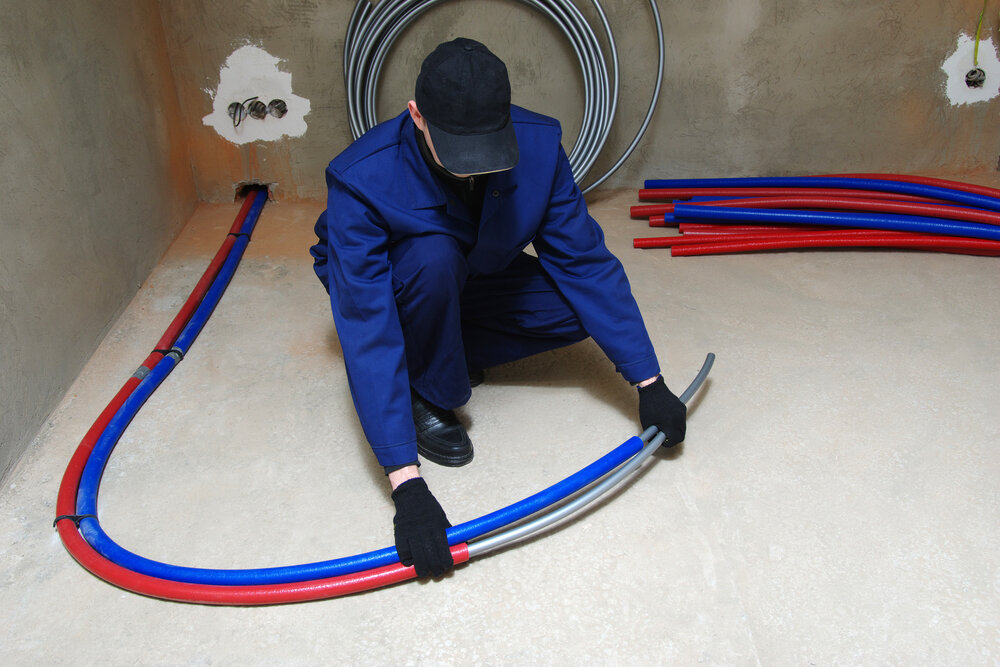
Unlike rigid piping materials, PEX can bend around corners and through existing framing. That flexibility often allows plumbers to install new plumbing with fewer wall openings, making the project less disruptive.
Corrosion Resistance
Unlike galvanized steel, PEX won’t rust or corrode over time. It’s also resistant to mineral buildup that can gradually restrict water flow.
Better Freeze Resistance
No plumbing system is immune to freezing, but PEX’s flexibility allows it to expand more than rigid pipe if water freezes inside. While frozen pipes should always be addressed quickly, this flexibility may reduce the likelihood of a pipe bursting compared to more rigid materials.
Quiet Performance
Many homeowners notice that PEX plumbing operates more quietly than rigid piping, reducing the banging sounds commonly associated with older plumbing systems.
How Long Does PEX Last?
While no plumbing material lasts forever, properly installed PEX is generally expected to provide reliable service for 40 to 50 years or more under normal residential conditions. Actual lifespan depends on factors such as installation quality, water chemistry, operating temperatures, and overall system design.
Routine plumbing maintenance and prompt attention to any issues can help maximize the life of your plumbing system regardless of the material.
How Much Does a Whole-House PEX Repipe Cost?
There isn’t a one-size-fits-all answer because every home’s plumbing system is different. Several factors influence overall cost, including:
- Square footage
- Number of bathrooms
- Number of plumbing fixtures
- Accessibility of pipes
- Crawl space or basement access
- Whether drywall repairs are needed after installation
Although a whole-house repipe represents a significant investment, many homeowners find it more cost-effective than paying for repeated emergency repairs over several years.
The best way to understand your options is through an on-site evaluation, where a licensed plumber can inspect your current plumbing and provide recommendations based on your home’s specific layout.
What Happens During a Repiping Project?
Many homeowners imagine a repipe means weeks of construction and major damage to their home, but modern repiping is often much less disruptive than expected.
While every project is unique, the process typically includes:
- Inspecting the existing plumbing system
- Planning new pipe routing
- Installing new PEX water lines
- Connecting fixtures throughout the home
- Pressure testing the new system
- Removing or abandoning old piping as appropriate
- Repairing necessary wall openings
Depending on the home’s size and complexity, many residential repiping projects can be completed in just a few days.
Is It Better to Keep Repairing Pipes or Replace Them?
If you’ve experienced one isolated plumbing issue, repairing the affected section usually makes sense. But if leaks continue appearing in different parts of the house, your plumbing system may be telling a larger story.
Repiping can provide:
- More reliable water pressure
- Fewer unexpected plumbing emergencies
- Improved water quality
- Greater confidence in your home’s plumbing system
- Long-term peace of mind
Instead of wondering where the next leak will appear, homeowners can move forward knowing the system has been updated with modern materials designed for decades of dependable performance.
Is It Time to Repipe?
Every home is different, and not every older home needs a complete repipe. The key is understanding the condition of your existing plumbing before small problems become major ones.
If you’ve noticed recurring leaks, aging galvanized pipes, or declining water pressure, the team at Fischer Plumbing can evaluate your plumbing system, explain your options, and help you determine whether repair or repiping is the smarter long-term investment.