Garbage Disposal Mistakes Everyone Makes
A garbage disposal feels simple. Flip a switch, grind, move on. But the way most people use it on a daily basis quietly shortens its lifespan, clogs drains, and leads to avoidable service calls.
If your disposal has ever smelled off, drained slowly, or made a noise that didn’t sound quite right, there’s a good chance one of these common habits is the reason.
Treating It Like a Trash Can
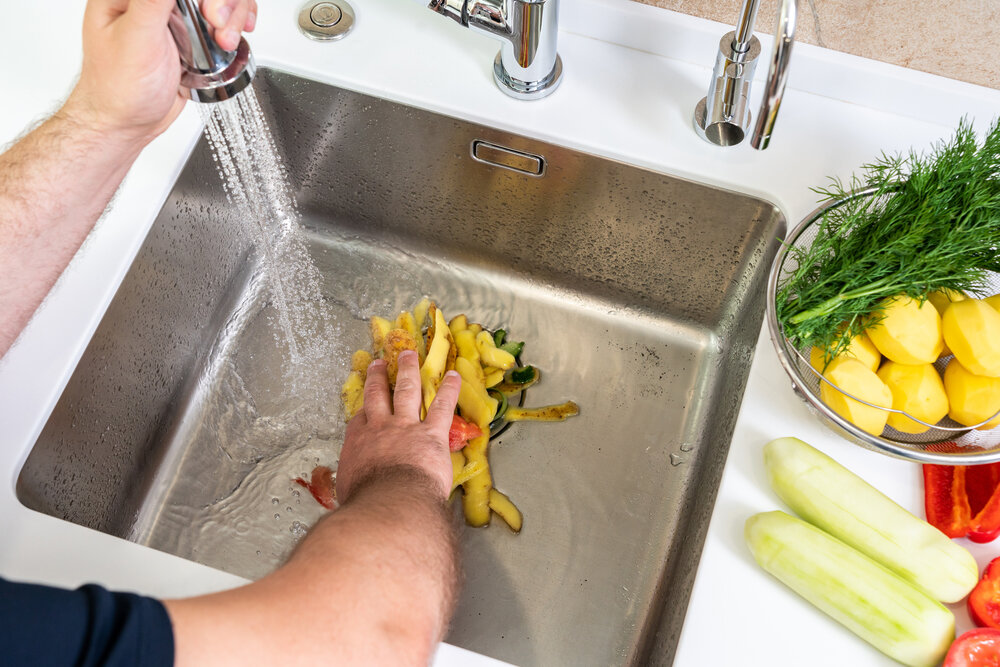
A garbage disposal is designed to handle small food scraps, not full plates of leftovers. When too much material goes in at once, the system struggles to break it down and push it through your pipes. What doesn’t grind properly ends up settling further down the line, where it turns into a clog.
A better approach is to feed waste gradually. Think of it as assisting the system rather than overwhelming it.
Pouring Grease Down the Drain
Hot grease looks harmless when it’s liquid, but as it cools, grease solidifies and coats the inside of your pipes. Over time, that sticky layer traps food particles and builds into a stubborn blockage. Your disposal might still spin, but your drain will start slowing down.
Instead, let grease cool and dispose of it in the trash. It’s a small step that prevents a much bigger plumbing issue.
Running It Without Water
Your disposal needs water to do its job properly. Water helps move ground particles through the pipes and prevents debris from sticking inside the unit. Without it, food waste lingers, odors develop, and the motor works harder than it should.
Turn on cold water before you start the disposal, keep it running while it’s grinding, and let it flow for a few seconds after everything sounds clear.
Grinding the Wrong Foods
Some items just don’t belong in a disposal, no matter how convenient it seems in the moment. Fibrous vegetables like celery and corn husks can wrap around the blades. Starchy foods like pasta and rice expand with water and create a thick paste. Coffee grounds clump together and settle in your pipes.
Even if the disposal seems to handle these at first, they often cause problems further down the system where you can’t see them.
Ignoring Strange Noises
A healthy disposal has a consistent, steady sound. Anything outside of that is worth paying attention to.
- Rattling could mean something hard fell in.
- Humming without grinding might signal a jam.
- Grinding noises that feel harsher than usual can point to wear or damage.
The mistake is waiting until it stops working completely. Addressing unusual sounds early can prevent a full replacement.
Forgetting to Clean It
Out of sight tends to mean out of mind. Even when used correctly, food residue can build up inside the disposal over time. That buildup leads to odors and reduces efficiency.
You don’t need anything complicated to keep it clean. Running a mix of ice and a small amount of dish soap can help break up residue. Citrus peels can freshen things up, as long as they’re used in moderation.
Overusing Chemical Cleaners
When a drain slows down, it’s tempting to reach for a chemical solution. The issue is that many drain cleaners are harsh enough to damage your pipes and the disposal itself, especially with repeated use. They might clear a minor blockage temporarily, but they don’t fix the underlying habit causing it.
If you’re dealing with frequent slowdowns, it’s usually a sign of buildup that needs a more thorough, mechanical solution.
When It’s Time to Call a Professional
A garbage disposal should be reliable and low-maintenance. If you’re noticing recurring clogs, persistent odors, or performance issues that don’t improve with basic care, it’s time to have it looked at.
At Fischer Plumbing, we help homeowners keep their kitchens running smoothly with repairs, replacements, and practical advice that prevents future issues. Sometimes a quick fix is all it takes. Other times, catching a problem early can save you from a much bigger headache down the line.