Why Is My Toilet Running?
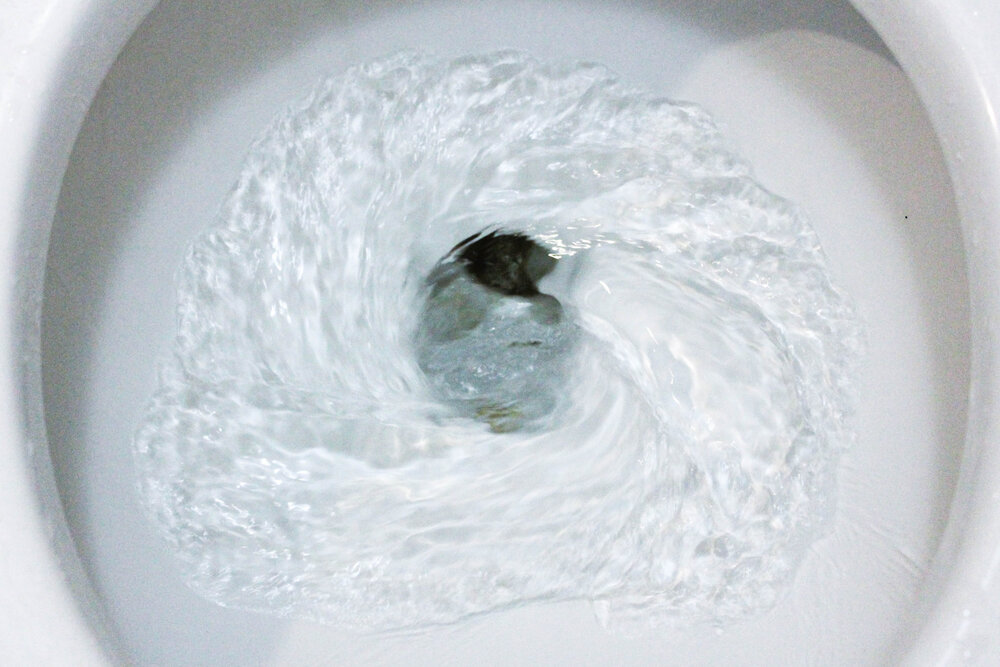
You flush the toilet, the tank refills, and everything seems normal. Then you hear water trickling long after the flush, or the toilet starts refilling on its own a few minutes later.
A running toilet is a common plumbing problem, but it’s not something to ignore. The cause might be a worn rubber seal or a simple adjustment inside the tank. It could also point to a failing valve or a problem that needs a closer look.
For homeowners and businesses throughout the Seattle area, understanding what causes a running toilet can help you determine whether a quick fix is enough or it’s time to call a plumber.
4 Common Reasons Your Toilet Keeps Running
Most running toilets have a problem with one of the components inside the tank. Here are the parts to check and what their symptoms can tell you.
1. A Worn or Damaged Flapper
The flapper is the rubber seal at the bottom of the toilet tank. It lifts when you flush, allowing water to flow into the bowl, then drops back into place to hold water in the tank.
Over time, the flapper can become brittle, warped, or worn. Mineral deposits can also prevent it from sealing properly. When that happens, water slowly leaks from the tank into the bowl, prompting the toilet to refill repeatedly.
You might notice a faint trickling sound, a toilet that refills every so often without being flushed, or water moving in the bowl when no one is using it.
A worn flapper is often a relatively simple repair. If replacing it doesn’t stop the leak, however, the problem could involve the surface the flapper seals against or another part of the flush assembly.
2. A Faulty Fill Valve
The fill valve controls the flow of water into the tank after you flush. Once the tank reaches the proper water level, the valve should shut off.
If the valve is worn, clogged with debris, or no longer closing properly, water may continue flowing into the tank. You might hear a persistent hissing or running sound, even when the toilet hasn’t been used recently.
A fill valve can sometimes be cleaned or adjusted, but a damaged valve generally needs to be replaced.
3. A Float That Isn’t Working Correctly
The float rises as the tank fills with water. When it reaches the appropriate height, it signals the fill valve to stop the flow.
If the float is set too high, gets stuck, or doesn’t move freely, the tank may overfill. Excess water then flows into the overflow tube and down into the bowl, keeping the toilet running.
You might notice water continuing to flow even after the tank appears full, or the water level rising to the top of the overflow tube. A float adjustment may solve the problem. If the float is damaged or part of a failing fill valve assembly, more extensive repairs may be necessary.
4. Mineral Buildup Inside the Tank
Mineral deposits can accumulate on toilet components over time, interfering with the way they move or seal. Buildup around the flapper or its sealing surface can prevent a tight seal, while debris or deposits inside the fill valve can affect its operation.
Mineral buildup isn’t always the main cause, but it contributes to recurring problems, especially when cleaning or replacing one component doesn’t resolve the issue.
If deposits have damaged a sealing surface or affected multiple components, a plumber can determine which parts need attention.
Is a Running Toilet Wasting Water?
Even if the toilet only makes noise occasionally, water may be escaping continuously from the tank into the bowl.
A small leak adds up over time, wasting hundreds or even thousands of gallons. More substantial leaks can waste considerably more, increasing your water bill before you realize there’s a problem.
That’s why it’s worth addressing a running toilet promptly rather than waiting for the next utility bill to reveal the cost.
(For a closer look at the financial impact, read our related article.)
When Is It a Simple Fix, and When Should You Call a Plumber?
Some toilet problems are relatively straightforward. If the flapper is visibly worn or the float is out of position, the repair may be as simple as replacing a part or making an adjustment.
However, the cause isn’t always obvious. Consider calling a professional plumber if:
- The toilet keeps running after you’ve tried a basic adjustment. A faulty fill valve, damaged flush valve, or another underlying issue may be responsible.
- You’ve replaced a part, but the problem returns. The original repair may not have addressed the actual cause.
- You notice recurring leaks or water around the toilet’s base. These symptoms may indicate a separate leak that needs attention.
- The toilet makes unusual noises or repeatedly refills on its own. These can be signs of a persistent leak or a malfunctioning component.
- The toilet is older or has recurring plumbing problems. An inspection can help determine whether repairing individual parts makes sense or whether a larger repair is warranted.
If the toilet is running continuously and you can’t stop the water flow, turn off its supply valve if you can do so safely. The valve is usually located near the wall behind or beside the toilet. If it won’t shut off, avoid forcing it and contact a plumber.
Get Help With a Running Toilet in Seattle
A running toilet might seem like a minor annoyance, but it can waste water, increase your utility costs, and signal a problem that won’t resolve on its own.
If you’ve checked the obvious causes and your toilet is still running, Fischer Plumbing can help identify the issue and recommend the right repair. Our team works throughout the Seattle area, providing plumbing service to help keep your fixtures working as they should.
Contact us to schedule service and get the problem taken care of before it wastes more water.