Why Does My Water Pressure Change?
What Causes Water Pressure to Fluctuate?
Water pressure can change for several reasons. The key is understanding when the changes happen, how severe they are, and whether they affect one fixture or your entire home.
1. Multiple Fixtures Are Running at Once
If someone starts a load of laundry while you’re showering, you might notice a temporary drop in water pressure. Your plumbing system has a limited flow capacity, and multiple fixtures drawing water at the same time affects how much reaches each one.
A small, brief change may be normal. However, a significant pressure drop during everyday use could indicate undersized pipes, restricted flow, or another plumbing issue worth investigating.
2. Your Pressure Regulator Isn’t Working Properly
Many homes have a pressure-reducing valve, also called a pressure regulator, that helps control incoming municipal water pressure.
When the regulator wears out or malfunctions, household water pressure becomes inconsistent. You might notice pressure that’s too high, too low, or that changes unexpectedly throughout the day.
Excessively high water pressure puts unnecessary strain on plumbing fixtures, appliance connections, and pipes. If your pressure suddenly starts behaving differently, a plumber can test the system and determine whether the regulator needs adjustment or replacement.
3. Pipes Are Clogged or Restricted
Mineral buildup, corrosion, and debris restrict water flow through plumbing pipes. This is particularly relevant in older homes where galvanized steel pipes may have deteriorated internally over time.
Restricted pipes cause weak flow at multiple fixtures, and the problem becomes more noticeable when several faucets or appliances are running.
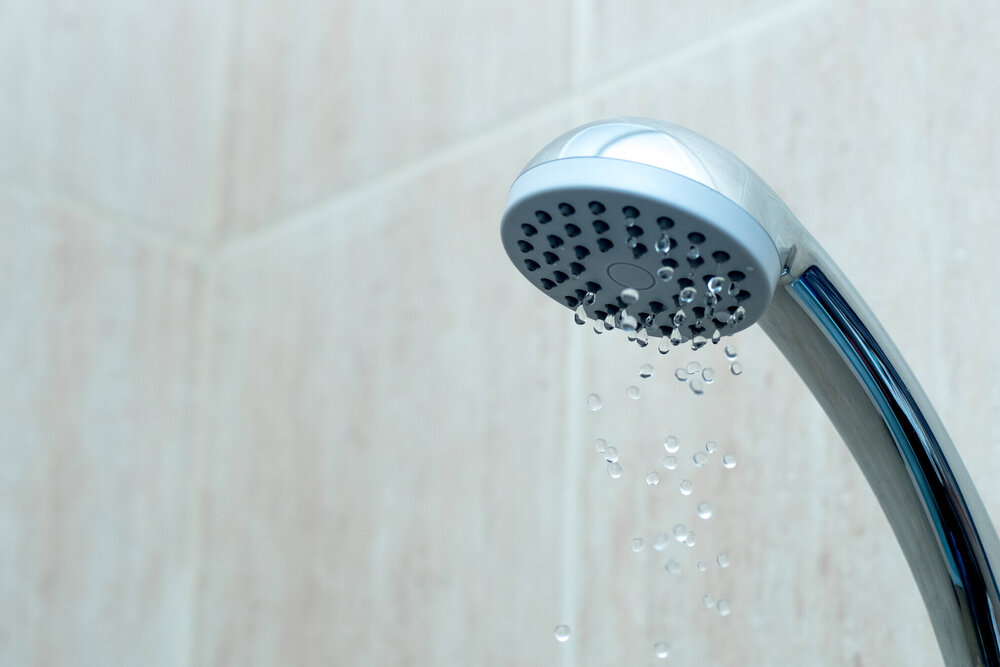
Cleaning a faucet aerator or showerhead may resolve a localized problem, but if several fixtures have poor or inconsistent pressure, the cause may be deeper in the plumbing system.
4. You Have a Plumbing Leak
A leak can contribute to reduced water pressure, especially when it’s large enough to divert a significant amount of water from the system.
Other warning signs include unexplained increases in your water bill, damp spots, water stains on walls or ceilings, musty odors, or the sound of running water when all fixtures are turned off.
Not every leak causes noticeable pressure changes, and fluctuating pressure alone doesn’t confirm that you have one. Still, if you notice other signs of a leak, it’s worth having your plumbing inspected promptly.
5. Your Municipal Water Supply Is Changing
Your home’s water pressure can be affected by what’s happening outside your property.
Municipal maintenance, water main repairs, temporary service disruptions, and periods of high neighborhood demand all affect the water delivered to your home.
If your neighbors are experiencing similar problems, the issue may be with the public water supply rather than your plumbing.
Contact your local water utility to ask about maintenance or service issues. If the problem persists after municipal service returns to normal, a plumber can check whether your home’s plumbing has a separate issue.
How to Tell Whether the Problem Is Serious
Pay attention to the pattern of the pressure changes. A temporary drop when multiple fixtures are in use is different from pressure that fluctuates throughout the day for no obvious reason.
Consider these signs when deciding whether to schedule an inspection:
- Pressure changes throughout the entire house. This may indicate a problem with the regulator, main supply line, or incoming water service.
- Pressure has suddenly dropped or increased. An abrupt change deserves attention, particularly if it doesn’t resolve quickly.
- Fixtures have very different pressure levels. One weak faucet may have a clogged aerator, while widespread problems suggest a larger issue.
- You notice signs of a leak. Unexplained water usage, damp areas, or water stains warrant prompt investigation.
- Pressure is consistently too high. Excessive pressure can damage plumbing components and shorten the life of appliances connected to your water supply.
If water pressure drops suddenly and severely, or you suspect a significant leak, don’t wait for the problem to get worse. An experienced plumber can identify the cause and determine what needs to be repaired.
What Can a Plumber Do About Inconsistent Water Pressure?
Diagnosing fluctuating water pressure starts with determining whether the problem affects one fixture, your entire plumbing system, or the incoming municipal supply.
A plumber may measure static water pressure, check pressure while water is flowing, inspect the pressure regulator, examine accessible pipes and valves, and investigate possible leaks or restrictions. The right repair depends on the cause. It could be as simple as cleaning a clogged fixture or replacing a faulty regulator, or it may require more extensive plumbing work.
Avoid adjusting or replacing pressure-control equipment without understanding the system. Correct pressure levels help protect your plumbing and keep water flowing reliably.
Get to the Bottom of Changing Water Pressure
Inconsistent water pressure isn’t always an emergency, but recurring changes shouldn’t be ignored. A pressure regulator that’s wearing out, a restriction in your pipes, or an undetected leak can become a bigger problem if left unaddressed.
If your water pressure keeps changing, Fischer Plumbing can identify the cause and recommend the right solution for your home. Whether the issue involves a pressure regulator, aging pipes, or a possible leak, a professional inspection can restore reliable water flow and protect your plumbing system.
Contact Fischer Plumbing to schedule an inspection and get your home’s water flowing the way it should.