
A Plumbing Checklist for Home Buyers
Buying a home is exciting, but the inspection process can uncover issues that are easy to overlook when you are focused on the rooms, layout, and curb appeal. Plumbing deserves special attention, because problems hidden behind walls, under floors, or underground can become expensive after you move in.
A general home inspection is an important part of the buying process, but may not provide the same level of detail as a professional plumbing inspection. Before you commit to a property, use this checklist to determine if a closer look is warranted.
Start With the Water
One of the easiest ways to spot potential plumbing problems is to actually use the fixtures throughout the house.
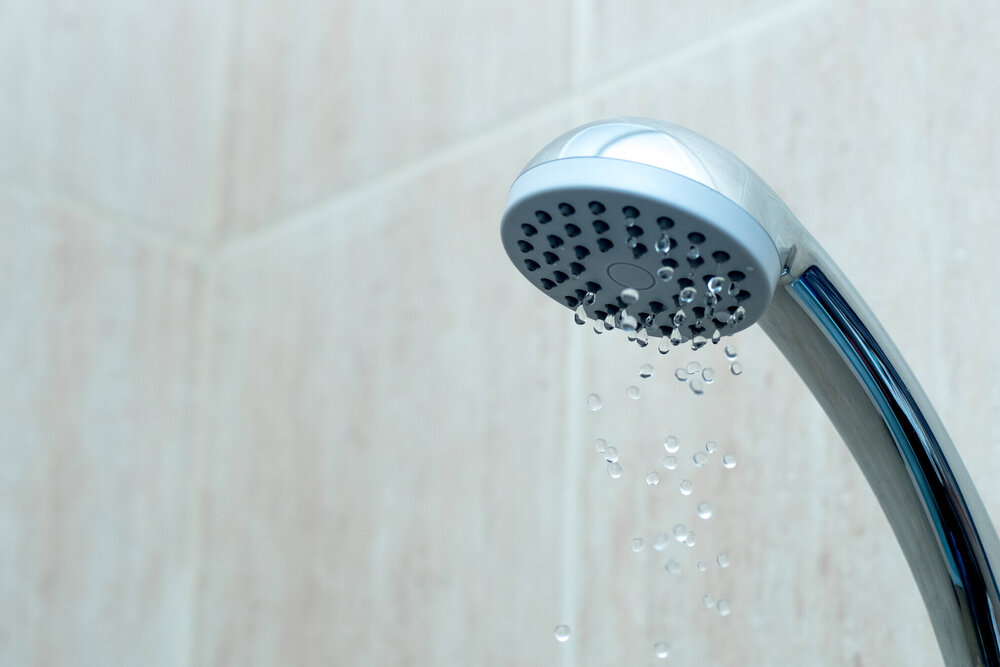
Turn on faucets and check the water pressure. Run several fixtures at the same time. Pay attention to whether the flow drops significantly, whether the water takes unusually long to get hot, or if you hear unusual noises when fixtures are running.
You should also check:
- Faucets for leaks, drips, or corrosion
- Sinks and cabinets for signs of previous water damage
- Toilets for leaks, rocking, or constant running
- Showers and tubs for slow drainage
- Multiple fixtures for adequate water pressure
- Hot water availability at several fixtures
- Visible supply pipes for corrosion or damage
A single dripping faucet may be a relatively minor repair. Widespread low pressure, slow drainage, or multiple leaking fixtures could indicate a larger plumbing problem.
Look Under Sinks and Around Fixtures
Don’t limit your inspection to what’s visible at eye level. Open the cabinets beneath every sink and look for discoloration, warped materials, stains, corrosion, or musty odors.
Previous leaks are not always obvious. A cabinet may have been cleaned and dried before the home went on the market, but staining or damaged materials can indicate that water has been present in the area.
Check around toilets, tubs, and showers as well. Soft flooring, discoloration, damaged caulk, or a persistent musty smell can warrant further investigation.
Check the Water Heater
The water heater is one of the home’s most important plumbing components, and its age and condition can affect your ownership costs. Look for the unit’s installation date or manufacturing information and ask whether the seller has maintenance records. Also inspect the area around the water heater for signs of leakage or corrosion.
Potential warning signs include:
- Visible rust or corrosion
- Water or staining around the base
- Unusual noises during operation
- Insufficient hot water
- An older unit approaching the end of its expected service life
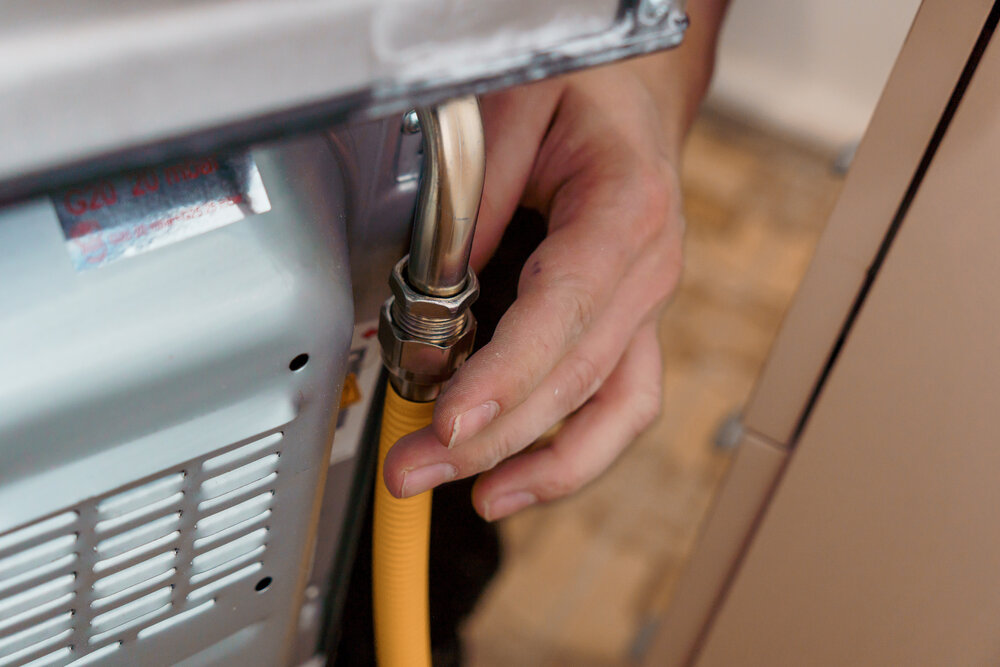
- Improper-looking or deteriorated connections
Strange noises, insufficient hot water, foul odors, and age can all be reasons to have a water heater evaluated. An older water heater doesn’t mean you should walk away from a house, but it does mean you may want to account for replacement costs.
Don’t Ignore the Drains
Slow drains are easy to dismiss during a showing, especially if a sink eventually empties. However, drainage problems can have different causes, and recurring issues may indicate something more significant than an isolated clog.
Run water through sinks, showers, and tubs and watch how quickly they drain. Listen for gurgling or bubbling sounds, which can be another reason to have the system investigated. If multiple drains are slow at the same time, the problem may extend beyond an individual fixture.
Ask About the Sewer Line
A home’s plumbing doesn’t stop at the foundation. The sewer line connecting the property to the public sewer system can also be a major consideration when buying an older home.
A standard home inspection may not tell you everything you need to know about the condition of the underground sewer line. A video sewer inspection can provide a much clearer picture of what is happening inside the pipe.
Depending on the property’s age and history, a professional may look for issues such as:
- Cracks or breaks
- Tree root intrusion
- Corrosion or deterioration
- Misaligned sections
- Blockages
- Significant buildup
- Damaged or collapsed sections
Fischer Plumbing offers sewer video inspections as well as sewer line repair, locating, and trenchless repair services. For a home that has been around for decades, adding a sewer inspection to your due diligence may be worth considering.
Pay Attention to the Pipes
During the inspection, ask what materials are present and whether any portions of the plumbing have already been replaced. Older homes may contain aging sections of piping that could eventually require repair or repiping.
Look for visible corrosion, staining, leaks, or makeshift repairs. If you see multiple generations of plumbing materials connected together, ask the inspector or a plumber whether the configuration deserves further evaluation.
Fischer Plumbing works with several types of residential water piping, including copper and PEX, and provides repiping and water-line repair and replacement services.
Look for Signs of Previous Water Damage
Water damage is a plumbing red flag even when there is no active leak. During your walkthrough, look for:
- Water stains on ceilings or walls
- Discolored drywall near bathrooms
- Warped flooring
- Peeling paint
- Damaged cabinetry
- Mold or persistent musty odors
- Fresh paint in suspiciously localized areas
None of these automatically means there is a current plumbing problem, but they are clues that should prompt questions. Ask the seller what caused the damage, whether the problem was repaired, and whether documentation is available.
Sump Pumps and Drainage Systems
A plumbing inspection should consider the home’s overall water-management setup, not just the faucets and fixtures inside the house.
Homes with basements, crawl spaces, or areas vulnerable to groundwater may have additional water-management equipment.
If the property has a sump pump, ask how old it is, whether it is maintained, and whether there is a backup system. Check the surrounding area for signs of previous water intrusion.
Ask for Plumbing Records
Ask whether the homeowner has documentation for previous plumbing repairs, water heater replacement, repiping, sewer work, or other major projects. If repairs were performed, find out when they happened and whether permits or invoices are available.
The seller’s records provide valuable context. A home with documented maintenance and repairs is much easier to evaluate than one where nobody knows what has been replaced or repaired.
When Should You Bring in a Plumber?
A general home inspection is an important part of the buying process, but there are situations where bringing in a plumbing professional makes sense.
- The home is older
- The sewer line is aging or its condition is unknown
- There are multiple drainage problems
- Water pressure seems unusually low
- You notice evidence of leaks or previous water damage
- The plumbing has been extensively remodeled
- The water heater is older
- You see corrosion or deteriorated piping
- The property has a history of plumbing problems
- The cost of a potential plumbing repair could affect your decision to purchase
A professional plumber can investigate problems that aren’t necessarily visible during a typical walkthrough and help you understand whether an issue is a minor repair, a future maintenance concern, or a significant expense.
Red Flags vs. Deal Breakers
Not every plumbing problem should send a buyer running.
A dripping faucet, aging water heater, or worn-out toilet may simply become part of your negotiating strategy. More significant problems, such as a severely damaged sewer line, extensive water damage, widespread pipe deterioration, or major leaks, deserve much closer attention.
The important thing is to understand the problem before you make a decision.
If an inspection identifies an issue, ask three questions:
What is wrong?
Get a clear explanation of the problem and its likely cause.
How serious is it?
Find out whether it needs immediate attention or can reasonably be addressed later.
What will it take to fix?
You may not need an exact repair estimate immediately, but understanding the possible scope of the work can help you determine whether to negotiate with the seller, budget for the repair, or reconsider the purchase.
A Plumbing Inspection Can Protect Your Investment
A house can look perfect during a showing and still have plumbing problems that aren’t obvious until after you move in. Taking the time to test fixtures, inspect accessible plumbing, review maintenance records, and investigate potential red flags can give you a much better understanding of the property you’re buying.
And when you’re considering an older home or one with questionable plumbing history, a professional inspection can provide another layer of confidence before you sign on the dotted line.
Fischer Plumbing has served homeowners throughout the greater Seattle area since 1977, providing residential plumbing, drain, water-line, sewer, and water-heater services. If you’re buying a home and want a closer look at its plumbing system, contact us to discuss a professional inspection.