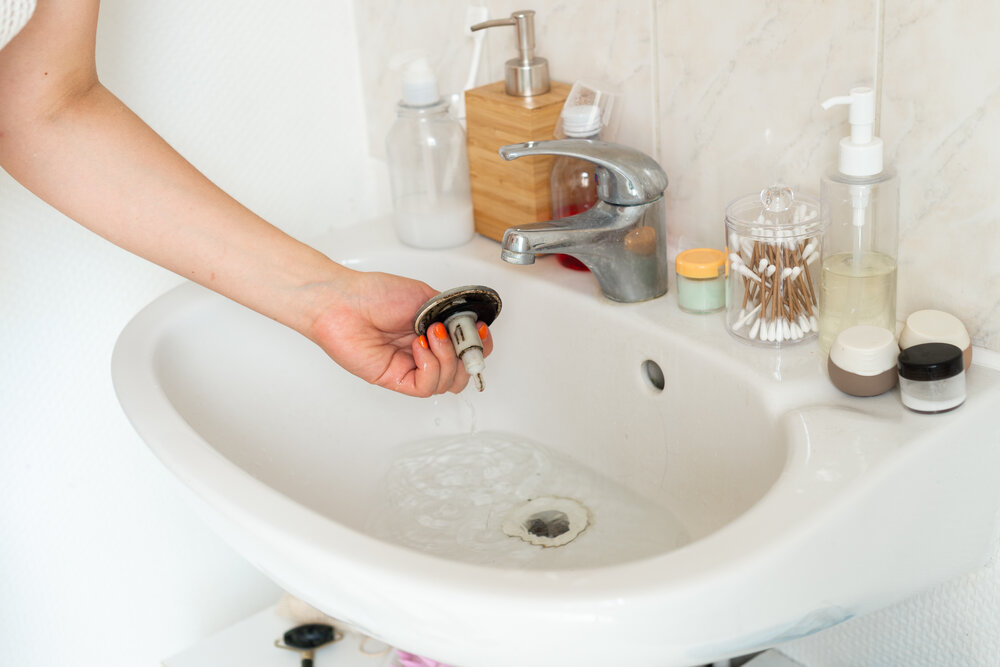
When a sink drains slowly, a toilet gurgles, or an unpleasant odor starts coming from a drain, the problem might not be in the drainpipe itself. It could be caused by the plumbing vent.
Your home’s plumbing system requires more than just pipes that carry wastewater away. It also needs a way to regulate air pressure and release sewer gases safely outside. That’s the job of the plumbing vent system. When a vent becomes blocked, damaged, or improperly installed, it can interfere with drainage throughout your home.
What Does a Plumbing Vent Do?
A plumbing vent is part of your home’s drain-waste-vent (DWV) system. While drainpipes carry wastewater out of your home, vent pipes allow air to enter the plumbing system and maintain proper pressure.
Most homes have vent pipes that extend through the roof. These pipes serve two important purposes:
- Regulating air pressure: As water moves through drainpipes, it creates changes in air pressure. Vents allow air to move through the system so wastewater can flow freely.
- Releasing sewer gases: Plumbing vents provide a safe pathway for sewer gases to escape above the roof rather than entering your living spaces.
Without proper ventilation, your plumbing system can’t move wastewater as efficiently as it should. Even though the vent doesn’t carry wastewater under normal conditions, it plays an important role in keeping drains working properly.
Signs Your Plumbing Vent May Be Causing Drain Problems
Slow-Draining Sinks and Tubs
If water drains slowly from multiple fixtures, the issue might involve the plumbing vent rather than an individual drainpipe.
When a vent is blocked, the system develops negative pressure that interferes with the movement of wastewater. You may notice that sinks, tubs, or showers take longer than usual to empty, even when their individual drain lines aren’t clogged.
Gurgling Sounds From Drains
A gurgling or bubbling noise after flushing a toilet or running water indicates that air isn’t moving properly through the plumbing system.
When a vent doesn’t provide enough air, the plumbing system pulls air through nearby drain traps instead. This creates that familiar bubbling or gurgling sound coming from sinks, tubs, or floor drains.
Sewer Odors Inside Your Home
Every plumbing fixture has a P-trap, which holds a small amount of water to create a barrier between your home and the sewer system.
When a plumbing vent isn’t working correctly, pressure changes disturb that water seal or pull water out of the trap. Once the seal is compromised, sewer gases can enter the room.
If you notice persistent sewer odors near sinks, showers, or other plumbing fixtures, have the system inspected.
Toilets That Bubble or Flush Poorly
You might notice that the bowl water level changes unexpectedly, or that the toilet doesn’t flush as efficiently as it normally does.
These symptoms can occur when air pressure in the drainage system isn’t properly balanced. A blocked vent may be responsible, although a sewer line obstruction can cause similar problems.
What Causes a Plumbing Vent to Become Blocked?
Because plumbing vents typically extend through the roof, they’re exposed to outdoor conditions throughout the year.
Common interferences include:
- Leaves and debris: Wind can carry leaves, twigs, and other debris into an exposed vent opening.
- Bird nests: Birds and other small animals may build nests inside vent pipes.
- Ice and snow: During colder weather, frost or ice can restrict airflow at the vent opening.
- Damaged vent pipes: Cracks, deteriorating connections, or other damage can interfere with proper ventilation.
- Improper installation: Incorrect vent sizing, placement, or configuration can create drainage and pressure problems even when the pipes aren’t physically blocked.
A clogged main sewer line or drainpipe produces similar symptoms as a vent issue, which is why proper diagnosis matters.
Can You Fix a Blocked Plumbing Vent Yourself?
Because vent pipes typically exit through the roof, trying to inspect or clear one yourself creates unnecessary safety risks. Roof access can be dangerous, particularly on wet, icy, or steep surfaces. A blockage deeper in the system may also require specialized equipment to locate and remove.
A professional plumber can inspect the vent system, check for obstructions, and determine whether the problem is actually coming from a drainpipe, sewer line, or another part of the plumbing system.
Don’t ignore recurring symptoms. Persistent gurgling, slow drainage, or sewer odors indicate a problem that needs attention before it leads to more significant plumbing issues.
Let’s Get to the Source of Your Drain Problems
Not every slow drain is caused by a clog, and repeatedly treating individual fixtures won’t solve a problem caused by poor plumbing ventilation. If multiple drains are acting up, toilets are bubbling, or sewer odors keep returning, the plumbing vent system deserves a close look.
Fischer Plumbing helps homeowners throughout Greater Seattle identify and resolve drainage problems, from localized clogs to more complicated issues involving vent pipes and sewer lines. Our experienced plumbers can determine what’s interfering with your plumbing system and recommend the right solution.
If your drains aren’t working the way they should, contact Fischer Plumbing to schedule an inspection and get the problem properly diagnosed.