Earthquake Preparedness Includes Your Plumbing
If we asked you about earthquake preparedness, you’d probably mention emergency supplies, flashlights, and securing heavy furniture. Those are important steps, but your plumbing system also deserves attention.
While most PNW homeowners understand the importance of having an emergency plan, many overlook the risk of plumbing damage. A broken water line, damaged water heater connection, or inaccessible shutoff valve can lead to significant water damage long after the shaking stops. The good news is that a few preventive measures can help protect your home and give you peace of mind.
Why Earthquakes Can Damage Plumbing Systems
Your home’s plumbing is designed to remain stable under normal conditions. During an earthquake, however, the structure can shift unexpectedly. Stress to your pipes, fittings, and water connections can cause cracks, leaks, or complete failures.
Some of the most common earthquake-related plumbing issues include:
- Burst or leaking water supply lines
- Broken connections at water heaters
- Damaged appliance hoses
- Hidden pipe leaks inside walls
- Flooding caused by ruptured plumbing components
Even a relatively small leak can cause extensive property damage if water continues flowing unchecked.
Upgrade to Flexible Supply Lines
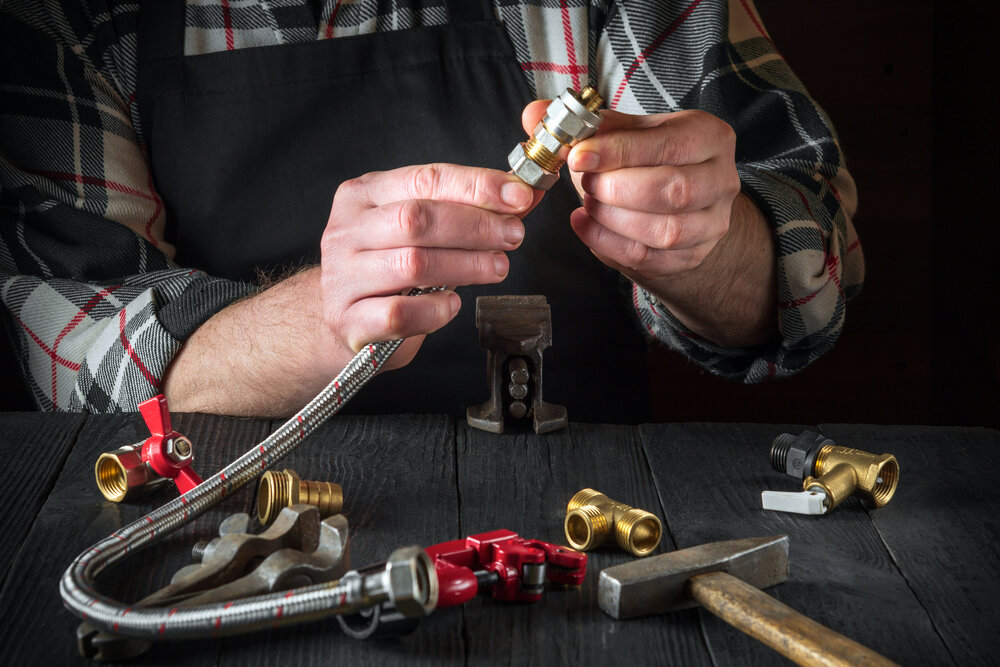
Unlike rigid piping or aging rubber hoses, flexible braided stainless connectors can absorb some movement during seismic activity, reducing the risk of cracking or separation.
Pay attention to bathroom, kitchen and laundry supply lines, as well as water heater connections, ice maker lines and dishwashers. These components are often the first plumbing connections to fail if a home shifts during an earthquake.
Secure Your Water Heater
Your water heater is one of the heaviest appliances in your home. If it tips or shifts during an earthquake, it can damage water lines, create leaks, and potentially become a safety hazard.
A properly secured water heater should be attached to wall studs with upper and lower seismic straps, and use flexible water connections. Ensure your gas and/or electrical connections are secure, and that there is adequate clearance around the unit.
Many newer installations meet current seismic requirements, but older homes may still have water heaters that are not adequately secured.
Know Where Your Main Water Shutoff Valve Is
If a pipe breaks during or after an earthquake, quickly shutting off the water can dramatically reduce damage.
Every homeowner should know where the main water shutoff valve is located, how to operate it and whether a special tool is needed. It’s also important to note if anything is different for how to access it during an emergency.
Depending on your home’s layout, the valve may be located in a utility room, basement, crawl space, garage, or near the point where the water service enters the house. If you are unsure where yours is, a plumbing inspection can help identify and label it.
Practice a Water Shutoff Drill
Most families practice fire safety, but very few practice shutting off their water. A simple shutoff drill can help everyone respond quickly if a plumbing emergency occurs after an earthquake.
Try this exercise twice a year:
- Gather household members and locate the main water shutoff valve.
- Explain when the water should be shut off, such as after visible pipe damage or significant leaking.
- Have each adult practice operating the valve.
- Verify that everyone knows where any required shutoff tools are stored.
- Review emergency contact information and restoration resources.
A few minutes of preparation today can save hours of stress later.
Don’t Overlook Older Plumbing Components
Many Seattle-area homes contain aging plumbing systems that may be more vulnerable to earthquake-related damage. An inspection can identify corroded galvanized pipes, aging shutoff valves, brittle supply lines, improperly supported piping and more. Addressing these concerns proactively is often far less expensive than repairing water damage after an emergency.
A Quick Earthquake Plumbing Checklist
Use this checklist to improve your home’s readiness:
- Replace old rubber washing machine hoses with braided stainless steel lines
- Upgrade appliance and faucet supply lines to flexible connectors
- Install or verify seismic strapping on your water heater
- Confirm water heater connections are flexible and secure
- Locate and label your main water shutoff valve
- Keep any necessary shutoff tools accessible
- Practice a family water shutoff drill twice a year
- Schedule a plumbing inspection if your home has older pipes or valves
Protect Your Home BEFORE the Next Earthquake
No one can predict when an earthquake will occur, but homeowners can act now to minimize any future damage. Upgrading vulnerable plumbing connections, securing your water heater, and making sure your family knows how to shut off the water are simple actions that can make a significant difference.
At Fischer Plumbing, we help homeowners throughout the Seattle area identify potential plumbing vulnerabilities and make practical upgrades that improve safety and preparedness. Reach out; our team is here to help keep your home protected.