Heavy Rain Essentials that Can Save Your Seattle Home
Most homeowners think about umbrellas, gutters, and roof leaks when storm season ramps up, but your plumbing system also takes a beating during long stretches of wet weather. Saturated ground, overwhelmed sewer systems, and nonstop drainage can create expensive problems below the surface.
Two of the most important protections for homes in the Seattle area are sump pumps and backflow preventers. They aren’t flashy upgrades, but when heavy rain hits, they can mean the difference between a dry basement and a major cleanup.
Why Heavy Rain Creates Plumbing Problems
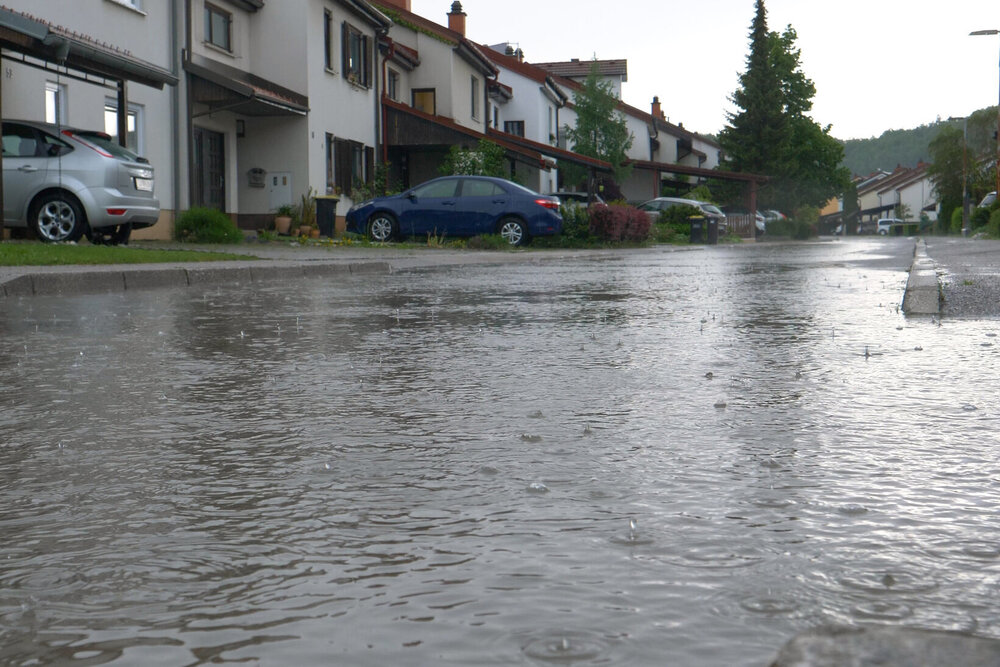
Seattle’s rainy season does more than leave puddles in the driveway. Prolonged rainfall can oversaturate soil around your home, increasing pressure on underground pipes and foundations. Municipal sewer systems can also become overloaded during intense storms, especially in older neighborhoods with aging infrastructure.
When that happens, homeowners may deal with:
- Water intrusion in basements or crawl spaces
- Sewer backups through floor drains or toilets
- Foundation moisture problems
- Overworked drainage systems
- Sump pump failures during peak demand
Many homeowners only realize there’s a problem when water is already inside the home.
What a Sump Pump Actually Does
A sump pump removes groundwater before it rises high enough to flood your basement or crawl space. Water collects in a pit, known as a sump basin, and the pump automatically pushes it away from the home once it reaches a certain level. Some homeowners assume sump pumps are only necessary after a flood has already happened, but in reality they work best as preventative protection.
During heavy storms, pumps can run almost continuously – if the system is old, clogged, improperly sized, or loses power, water damage can happen fast. That is why battery backup systems are becoming increasingly common in Seattle homes. Storms and outages often happen together, and a sump pump without power cannot do much good.
Signs Your Home Needs a Sump Pump
Sometimes the warning signs are obvious. Other times they are easy to overlook because they happen gradually over several rainy seasons. Consider a sump pump if you notice:
- Damp or musty smells in lower levels
- Water stains on basement walls
- Pooling water after storms
- Increased humidity in crawl spaces
- Mold or mildew growth
- Frequent use of fans or dehumidifiers
Even if flooding has never occurred, moisture problems can still damage flooring, drywall, insulation, and stored belongings over time.
Backflow Preventers: The Protection Homeowners Never Think About
While sump pumps help remove groundwater, backflow preventers help stop something far worse: sewage backing into your home.
A backflow preventer is a one-way valve installed on your sewer line. Under normal conditions, wastewater leaves your home normally, but if the municipal sewer system becomes overloaded during heavy rain, the valve closes to stop contaminated water from reversing direction and flowing back inside.
Without a backflow preventer, sewer backups can enter through:
- Basement floor drains
- Toilets
- Utility sinks
- Showers on lower levels
Cleanup from a sewage backup is unpleasant, but can involve major sanitation issues, damaged flooring and drywall, and expensive restoration work. In cities with heavy rainfall and older sewer systems, backflow prevention can be one of the smartest plumbing upgrades a homeowner makes.
Why Seattle Homes Are Especially Vulnerable
Seattle’s long rainy season keeps the ground saturated for extended periods, which places constant stress on drainage and sewer systems. Some neighborhoods also have older sewer infrastructure that can struggle during major storms.
Homes with finished basements are often at higher risk because there is more to lose if water intrusion occurs. A small amount of water might only be an inconvenience in an unfinished utility space, but it can ruin flooring, drywall, furniture, and electronics in a finished lower level.
Local homeowners often describe the same pattern: systems that seem fine during normal weather become overwhelmed during prolonged heavy rain. Backup pumps, check valves, and preventative inspections are recurring themes in those conversations.
Prevention Costs Less Than Restoration
Most plumbing emergencies caused by heavy rain start long before the actual emergency happens. A struggling sump pump, clogged drainage system, or aging sewer line may work “well enough” most of the year until a major storm exposes the weakness. Preventative inspections that catch a failing pump, or installing a backflow preventer, before the next storm is usually far less expensive than repairing flood or sewage damage afterward.
For homeowners who already deal with damp basements, standing water, or recurring drainage issues, heavy rain protection shouldn’t be treated as optional maintenance. It is part of protecting the structure of the home itself. If your home has experienced moisture problems before, or if you simply want peace of mind before the next stretch of Seattle rain arrives, having your plumbing and drainage systems evaluated can help you avoid much bigger problems later.