Why Does Your Sewer Line Keep Clogging? Understanding What’s Building Up Inside Your Pipes
When clogs keep coming back, the problem may not be what you’re putting down the drain today. It could be years of accumulated buildup narrowing the inside of your pipes.
What Builds Up Inside Sewer Lines?
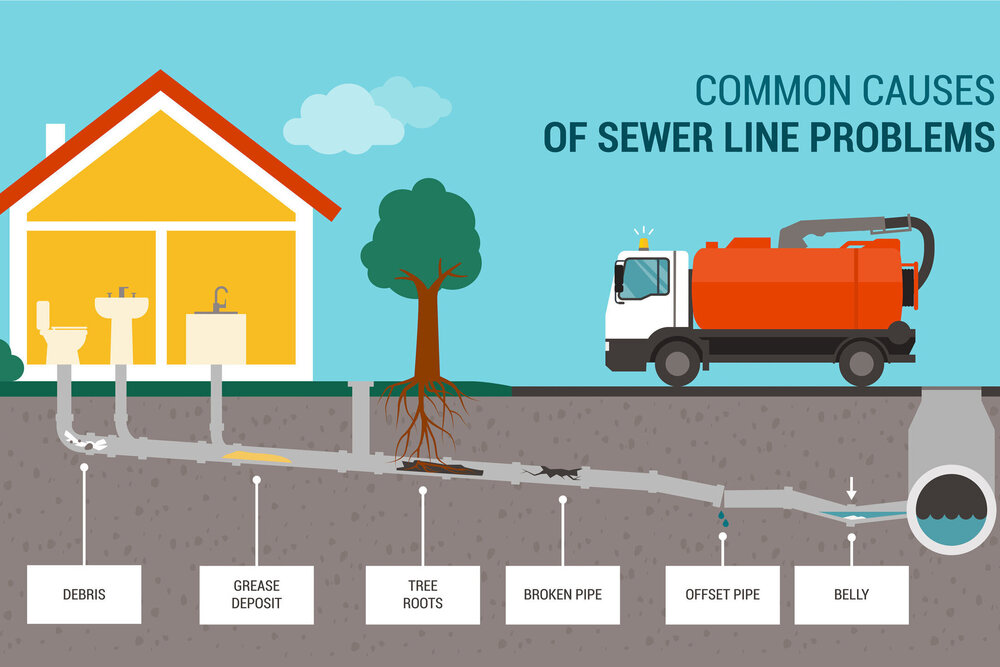
Your home’s sewer line carries wastewater away from sinks, showers, toilets, and other plumbing fixtures. Over time, materials that enter the plumbing system collect along the pipe walls and create obstructions that make it harder for wastewater to flow freely.
Grease and Cooking Fats
Grease is one of the biggest contributors to stubborn drain and sewer line clogs. Even when you rinse greasy pans with hot water, fats and oils can cool as they travel through the plumbing system. As they solidify, they stick to pipe walls and trap other debris.
Over time, these layers become thick enough to significantly restrict water flow. Adding food scraps, soap residue, and other materials to the mix makes the problem even worse.
Soap Scum and Mineral Deposits
Soap, shampoo, and other household products leave residue inside plumbing pipes. In areas with hard water, minerals can also accumulate along pipe walls.
These deposits create rough surfaces where hair, dirt, and other debris collect. What starts as a relatively small amount of residue eventually contributes to a stubborn blockage.
Tree Roots
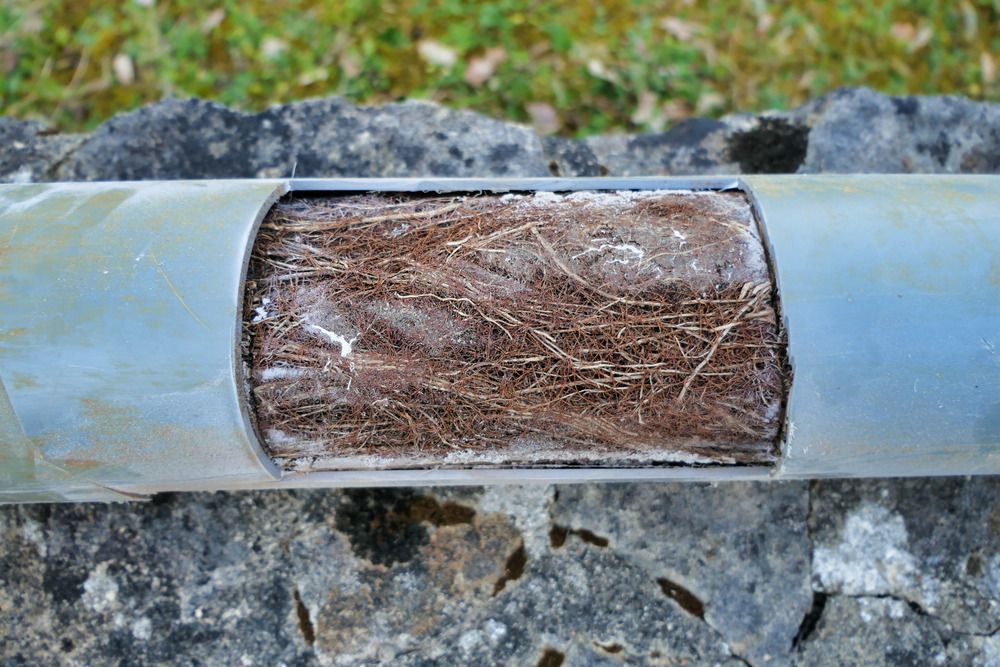
Tree roots naturally seek out moisture, and even small cracks or loose joints in underground sewer pipes can give them access to the water inside.
Once roots enter a pipe, they continue growing and catch toilet paper, waste, and other materials moving through the sewer line. This leads to repeated blockages and, in more serious cases, damage to the pipe itself.
Paper Products and Other Debris
Toilet paper is designed to break down in water, but excessive amounts contribute to blockages, particularly when a sewer line already has restricted flow.
Items such as wipes, paper towels, feminine hygiene products, and other materials that don’t break down easily can make matters worse. Even products labeled flushable do not disintegrate as quickly as toilet paper.
Why Clearing a Clog Doesn’t Always Solve the Problem
When a drain or sewer line becomes blocked, removing the immediate obstruction restores water flow, but that doesn’t mean the inside of the pipe is clean.
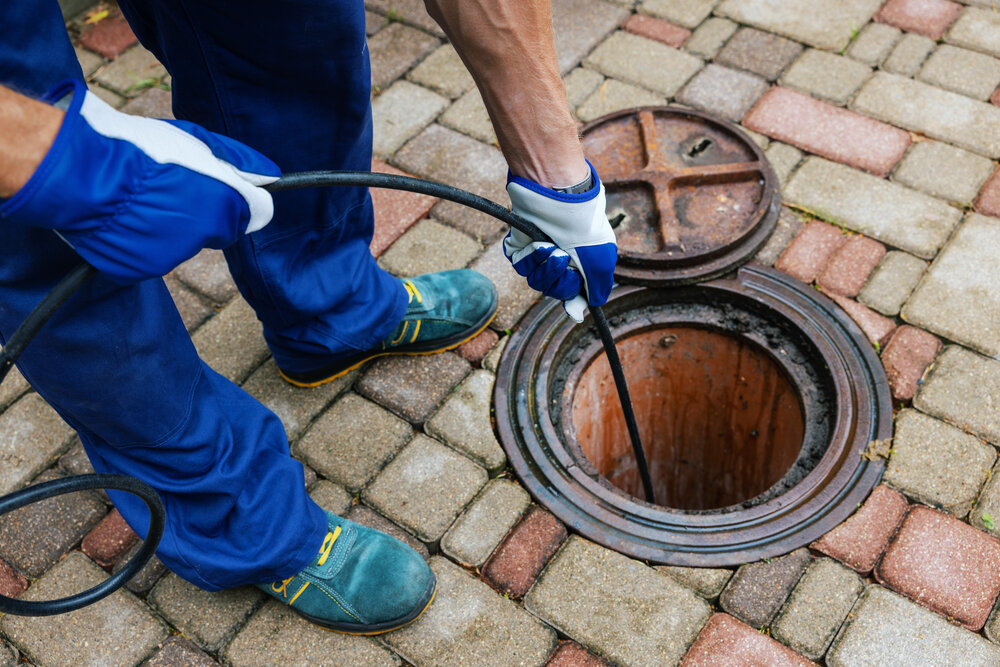
A drain snake can break through a blockage and create an opening for wastewater to pass through, but grease, sludge, mineral deposits, and other material may remain attached to the pipe walls.
That leftover buildup creates an opportunity for another clog to develop. New debris can catch on the remaining material, gradually narrowing the available space until water has trouble passing through again.
This is one reason simply clearing the immediate obstruction may not address recurring sewer issues.
Signs Your Sewer Line May Have Significant Buildup
A developing sewer line problem doesn’t always start with a complete blockage. There are several warning signs that indicate restricted flow or accumulating debris inside your pipes:
- Multiple slow drains: If sinks, tubs, and showers are draining slowly throughout your home, the problem may be farther down the main sewer line rather than isolated to one fixture.
- Frequent backups: Drains that repeatedly clog despite being cleared may have an underlying buildup problem.
- Gurgling sounds: Bubbling or gurgling from toilets and drains indicate that wastewater and air aren’t moving properly through the plumbing system.
- Unpleasant odors: Persistent sewer smells coming from drains indicate a drainage or sewer line issue that needs attention.
- Water backing up in unexpected places: If flushing a toilet causes water to rise in a nearby shower or tub, it could point to a blockage in a shared drainage line.
These symptoms indicate that it’s worth having a plumbing professional identify the source of the problem before it gets worse.
Why a Thorough Pipe Cleaning Makes a Difference
When years of grease, sludge, and other debris accumulate inside a sewer line, removing just the material causing an immediate blockage isn’t enough.
Hydro jetting offers a more thorough cleaning approach by using specialized equipment to direct high-pressure water through the pipe. Rather than simply creating an opening through a clog, the process removes accumulated material along the interior pipe walls.
This is particularly helpful when grease, heavy residue, or other buildup has contributed to repeated drainage problems.
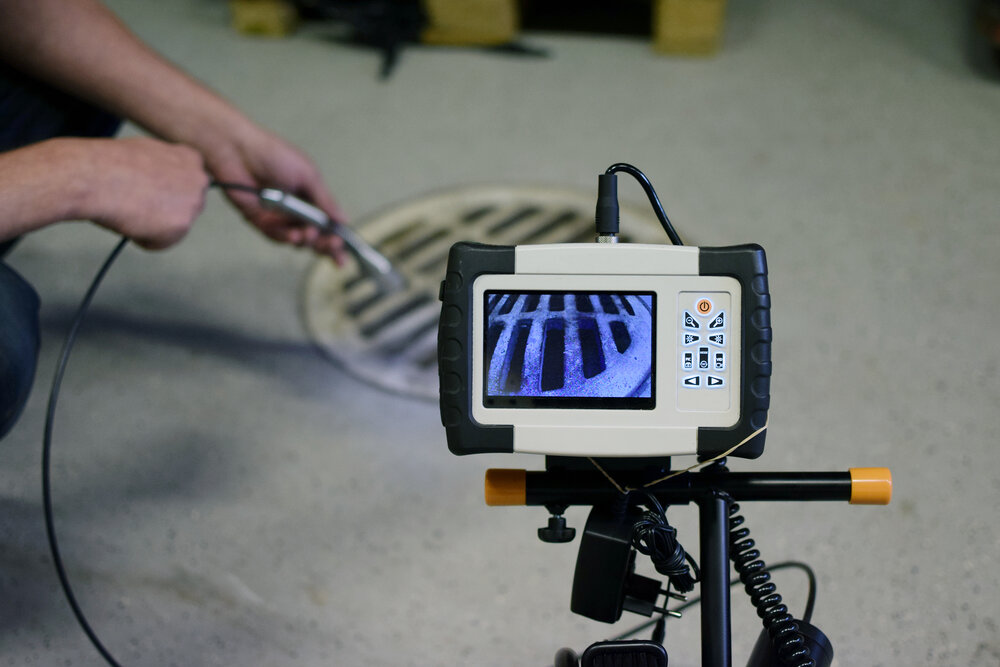
However, the condition of the pipe matters. Older, cracked, or damaged sewer lines may not be suitable for high-pressure cleaning. A professional inspection helps determine what’s happening inside the line and which cleaning method is appropriate.
Don’t Ignore a Sewer Line That Keeps Backing Up
Occasional drain clogs happen, but repeated problems shouldn’t become part of your household routine. If you’re dealing with slow drains, recurring backups, or other signs of restricted sewer flow, it’s time to find out what’s happening deeper inside your plumbing system.
At Fischer Plumbing, our experienced plumbers identify the source of recurring drainage problems and recommend the right solution for your pipes. Whether the issue calls for traditional drain cleaning, a more thorough pipe cleaning, or sewer line repairs, we’ll help you understand what’s happening and how to address it.
Contact us to schedule professional drain and sewer line service in the Greater Seattle area.