
If you’ve ever noticed a capped pipe sticking out of the ground near your house, you’ve probably wondered what it’s for. It may be a plumbing cleanout, an access point that gives plumbers a way to reach the drain or sewer line without having to dig up the yard or open up walls.
Cleanouts are easy to overlook when everything is working properly. But when a sewer line backs up or develops a blockage, having a cleanout in an accessible location can make diagnosing and clearing the problem much easier.
What Is a Plumbing Cleanout?
A plumbing cleanout is a capped opening connected to a drain or sewer line. Removing the cap gives a plumber access to the inside of the pipe.
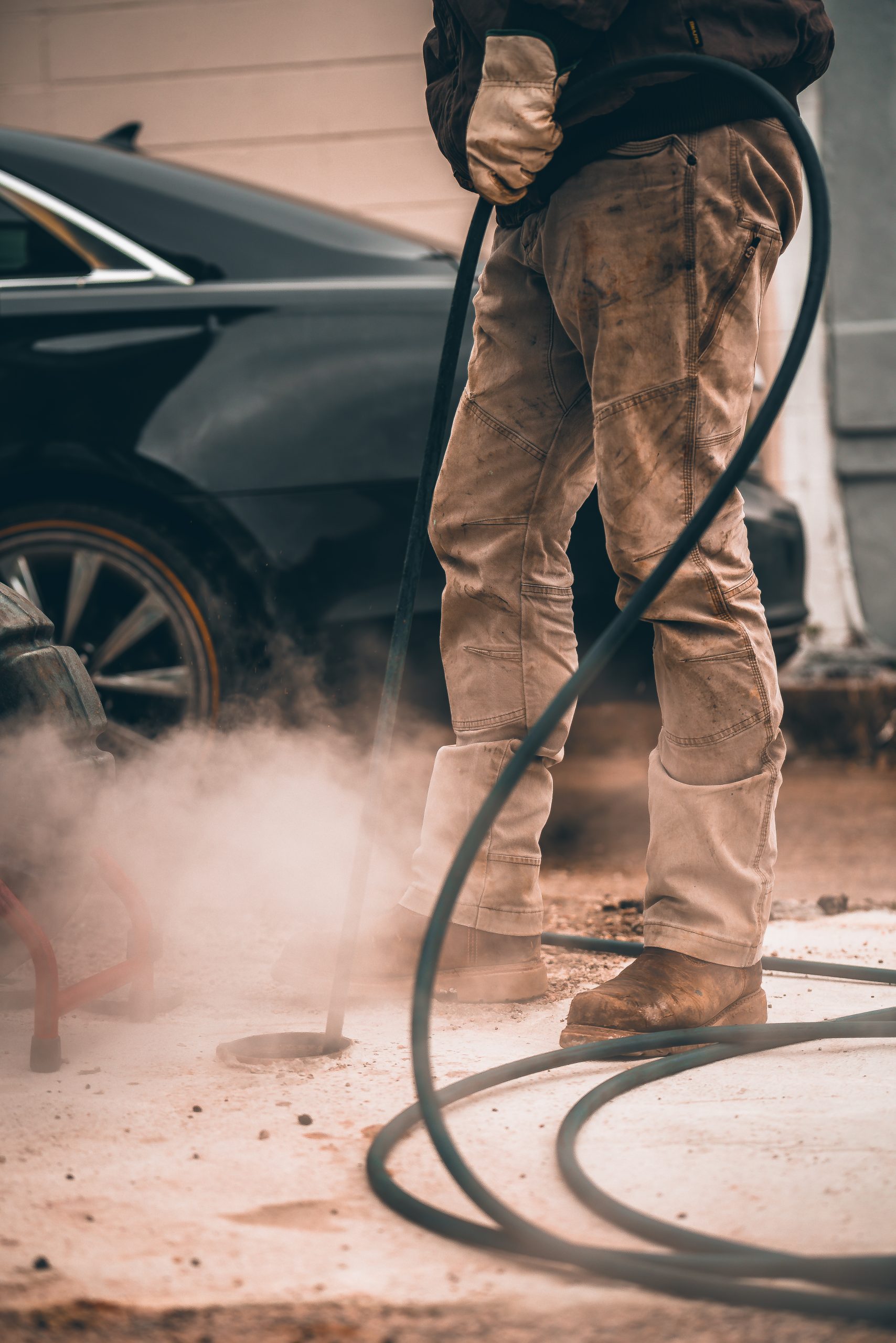
Instead of trying to work through a sink, toilet or other fixture, a plumber can use the cleanout to access the drainage system directly. Depending on the situation, this can allow them to run a drain-cleaning cable, use hydro jetting equipment or insert a sewer camera to see inside the line.
Cleanouts come in different sizes and configurations, but they’re often relatively simple in appearance. Some are located above ground and are easy to spot but others may be installed in a basement, crawl space or garage.
Where Are Plumbing Cleanouts Located?
The location varies from home to home, depending on the design of the plumbing system and when the home was built. Common locations include:
- Near the point where the home’s sewer line exits the building
- In a basement or crawl space
- In a garage or utility area
- Near an exterior wall
- In the yard between the house and the street
- Near a property line or connection to the municipal sewer system
Some homes have more than one cleanout. Larger or more complicated plumbing systems may have additional access points along the drainage system.
If you’re not sure whether your home has a cleanout, look for capped pipes or access covers in these areas. Your home’s plumbing plans or a plumber may also help identify their locations.
Why Do Plumbers Need Access to a Cleanout?
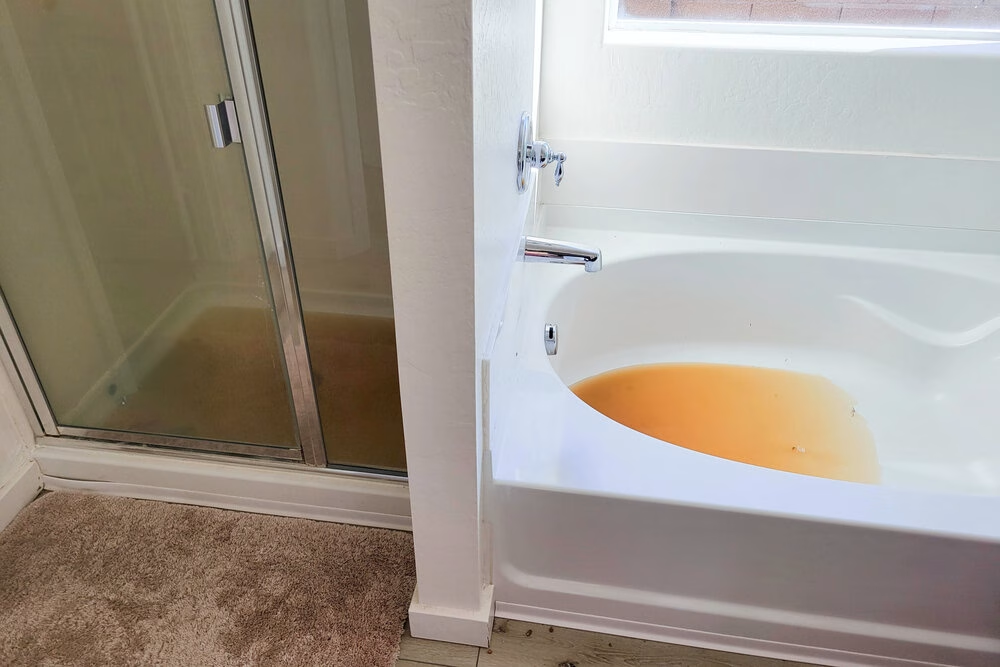
Imagine multiple drains in your home are backing up at the same time. That could indicate a problem farther down the main sewer line rather than an isolated clog in one sink or shower.
A plumber may use the cleanout to investigate the line and determine what’s causing the problem. Depending on what they find, they may be able to clear the blockage, inspect the pipe with a camera or determine whether the line has damage that requires repair.
What If Your Cleanout Is Buried?
Over time, landscaping, soil, mulch, grass or other changes to the property can cover an exterior cleanout. In some cases, a homeowner may not even know they have a cleanout underneath the ground.
This is more common than you might think. A buried cleanout isn’t a plumbing emergency, but it can quickly become a serious problem when you need it.
If your sewer line backs up and the plumber can’t locate or access the cleanout, additional time may be needed to find it. In some situations, the cleanout may need to be exposed or repaired before the plumbing work can proceed.
What If the Cleanout Is Damaged?
Cleanout caps and fittings can become damaged over time. If a cap cracks, it can become difficult to remove or it may not seal correctly.
A damaged or missing cap creates other problems, too. An exterior cleanout that doesn’t seal correctly can allow water, dirt or debris into the drainage system. It can also create an opening that shouldn’t be there.
If you notice a damaged cleanout, don’t try to force it open or improvise a replacement. A plumber should determine whether the cap or the cleanout itself needs to repair or replacement.
Don’t Ignore an Inaccessible Cleanout
If a cleanout is buried behind landscaping, blocked by a structure or otherwise difficult to reach, it can complicate future plumbing service. Finding and exposing it while your plumbing is working is generally much easier than trying to locate it during an active backup.
If you’re buying a home, ask where the main sewer cleanout is and whether it’s accessible. Knowing where that access point is before you need it can save time and money when an emergency occurs.
Can a Plumber Add a Cleanout?
In some situations, yes.
The best location depends on the layout and condition of the drainage system. Adding a cleanout may be particularly useful when there is an existing sewer-line issue, when access to the line is difficult or when plumbing work is already being performed.
It isn’t something every home needs, but it’s worth discussing if accessing your sewer line has been difficult.
Know Where Your It Is Before You Need It
A plumbing cleanout isn’t complicated, but it does serve an important purpose.
If you don’t know whether your home has a cleanout, take a look around the basement, crawl space, garage and exterior of the property. If you find a capped pipe but aren’t sure what it is, don’t remove the cap yourself. A plumber can identify it and make sure it’s in good condition and accessible when you need it.
And if your home has experienced recurring sewer backups, slow drains or other drainage problems, a cleanout can be an important part of diagnosing what’s happening below the surface.