Old Seattle Homes, New Code: Common Plumbing Upgrades We See
Owning an older Seattle home often means enjoying original woodwork, established neighborhoods, and a lot of character. It can also mean living with plumbing that was installed decades before modern safety, efficiency, and water-quality standards existed.
As plumbing codes evolve, many older homes need targeted upgrades to stay compliant, avoid unexpected failures, and support modern fixtures and appliances. The good news is that code compliance rarely means a full gut renovation. In most cases, we see focused projects that address the highest risks first while preserving the home’s original charm.
Understanding Today’s Seattle Plumbing Code
Seattle follows the Washington State Plumbing Code, along with local amendments around water conservation, seismic safety, and public health. These codes are updated regularly and increasingly emphasize:
- Safer hot water systems
- Modern, approved pipe materials
- Water-efficient fixtures
- Protection of the public water supply
For owners of older homes, this means systems that were considered standard when the house was built may no longer meet today’s expectations for safety, performance, or reliability. That gap is what drives many of the upgrade projects we see.
1. Replacing Outdated Supply Lines and Pipe Materials
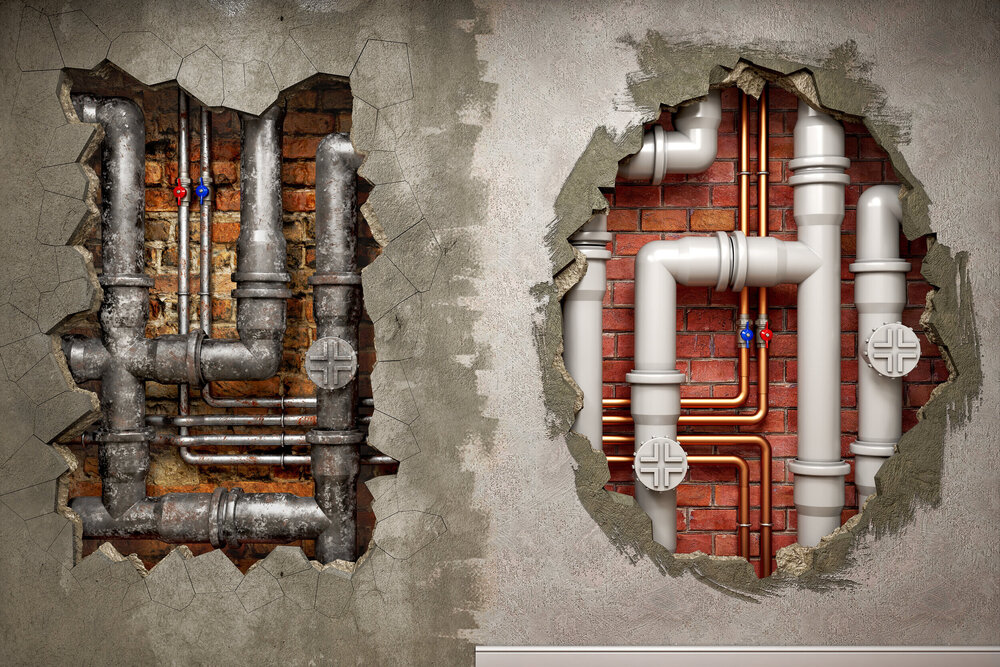
Many older Seattle homes still rely on galvanized steel or other aging supply lines, particularly in branch lines serving kitchens and bathrooms. Over time, these pipes corrode from the inside, leading to low water pressure, discolored water, and a higher risk of hidden leaks.
Modern plumbing code favors materials like copper and approved plastic piping that resist corrosion and meet current health standards. One of the most common upgrade projects we perform is replacing old galvanized lines with modern piping, either in phases or as part of a remodel. Homeowners typically notice immediate improvements in water pressure and reliability, along with peace of mind that the system is closer to current code.
2. Updating Fixtures to Meet Water-Efficiency Standards
Water efficiency has become a major focus of recent code updates. Toilets, faucets, and showerheads are now required to meet specific gallons-per-flush and gallons-per-minute limits.
Many original or older fixtures in Seattle homes use significantly more water than today’s standards allow. This typically becomes an issue during remodels or fixture replacements. Upgrading to modern, high-efficiency toilets and showerheads is one of the most visible and cost-effective improvements homeowners make. These newer fixtures reduce water use and utility costs without sacrificing comfort or changing the overall look of the space.
3. Bringing Water Heaters Up to Modern Safety Requirements
Water heater installations are another area where older homes often fall behind current code. Over the years, requirements have expanded to include proper seismic strapping, temperature and pressure relief protections, expansion tanks in certain systems, and updated venting rules.
In Seattle, where earthquake risk and energy efficiency are both real concerns, water heater upgrades are especially important. Projects may involve correcting safety deficiencies on an existing unit or replacing an outdated heater with a newer, more efficient model that meets current standards. Either way, these upgrades protect both the home and the people living in it.
4. Improving Drain, Vent, and Sewer Systems
Many older homes still have original drain and sewer lines made from clay or cast iron, along with venting systems designed for much simpler plumbing layouts. Over time, these materials deteriorate, and older designs often struggle to support modern fixture loads.
Common upgrade projects include replacing failing sections of sewer line, correcting improper or undersized venting, and reconfiguring drains during kitchen or bathroom remodels to meet current design requirements. These improvements don’t just satisfy code. They reduce recurring clogs, sewer odors, slow drains, and gurgling that are common in aging systems.
5. Adding Backflow and Cross-Connection Protection
Modern plumbing codes place strong emphasis on preventing contaminated water from flowing back into the drinking water supply. Older homes may lack proper backflow protection on hose bibbs, irrigation systems, or other cross-connection points. This is especially prealent if additions or updates were done informally in the past.
Installing or upgrading backflow prevention devices is a common, behind-the-scenes project that plays a critical role in protecting water quality for both the household and the broader municipal system.
6. Permits, Inspections, and Navigating the Process
Because plumbing directly impacts health and public infrastructure, most significant plumbing work in Seattle requires permits and inspections. For owners of older homes, this process can feel overwhelming, particularly when original plans are missing or previous work is undocumented.
The advantage of permitted work is assurance. Inspections verify that upgrades meet current code and are installed correctly, reducing the risk of future problems. A licensed plumber who understands Seattle’s specific requirements can help prioritize upgrades, phase projects over time, and create a practical plan that fits both the home and the homeowner’s budget.
Planning Plumbing Upgrades for an Older Seattle Home
If you own an older Seattle home and are experiencing low water pressure, frequent clogs, aging fixtures, or are planning a kitchen or bathroom remodel, it’s a smart time to evaluate how your plumbing compares to current standards.
An experienced plumber can identify critical upgrades for safety and code, and others that can be scheduled over time. With the right plan, it’s possible to respect your home’s character while bringing its plumbing up to today’s expectations.
When you’re ready to explore options for updating supply lines, fixtures, drains, or water heaters, working with a local, licensed plumbing contractor familiar with Seattle’s code and permitting process can make all the difference. Reach out and let’s get started.