Well Water Maintenance for Snohomish County Homeowners
Many homes throughout Snohomish County rely on private wells for clean drinking water. While well systems can provide reliable, high-quality water, they require regular maintenance to keep them safe and functioning properly.
Unlike municipal water systems, private wells are the homeowner’s responsibility to maintain and monitor. Routine testing, inspections, and preventative care can protect your family’s health and extend the life of your plumbing system.
Here’s what Snohomish County homeowners should know about maintaining their well water system.
Why Well Maintenance Is Important
Well water may look clear and taste fine, but contaminants can still be present. Because wells draw directly from groundwater, they can be affected by natural minerals, nearby septic systems, agricultural runoff, or environmental changes.
Regular maintenance helps:
- Protect your drinking water from bacteria and contaminants
- Prevent costly pump or pressure tank failures
- Extend the lifespan of your plumbing system
- Ensure consistent water pressure and flow
Local health officials emphasize that many contaminants can’t be detected by taste, smell, or appearance, making regular testing essential for homeowners with private wells.
How Often Should You Test Well Water?
In Snohomish County, experts recommend testing your well water regularly to ensure it remains safe.
Annual testing should include coliform bacteria and nitrates, contaminants that can pose serious health risks but may not be visible in the water.
Additional testing may be recommended for arsenic, heavy metals, PFAS or other emerging contaminants.
Many homeowners also test their water after major events such as:
- Flooding
- Nearby construction
- Septic system failures
- Changes in taste, color, or odor
Because arsenic levels can vary seasonally in Snohomish County groundwater, testing during different times of year may be recommended.
Common Well Water Issues in the Pacific Northwest
Several water quality issues are relatively common in Western Washington wells.
Iron and Mineral Buildup
High mineral content can cause rust-colored stains, metallic taste and clogged fixtures. Water softeners or filtration systems often solve these problems.
Bacteria Contamination
Bacteria may enter wells due to failing septic systems, flooding and/or surface runoff. Shock chlorination or UV treatment may be required to disinfect the system.
Arsenic in Groundwater
Some areas of Snohomish County naturally contain arsenic in groundwater. Long-term exposure to high levels can cause serious health risks, which is why periodic testing is strongly recommended.
Key Components of a Well System
By understanding the parts of your well system, you can spot problems early.
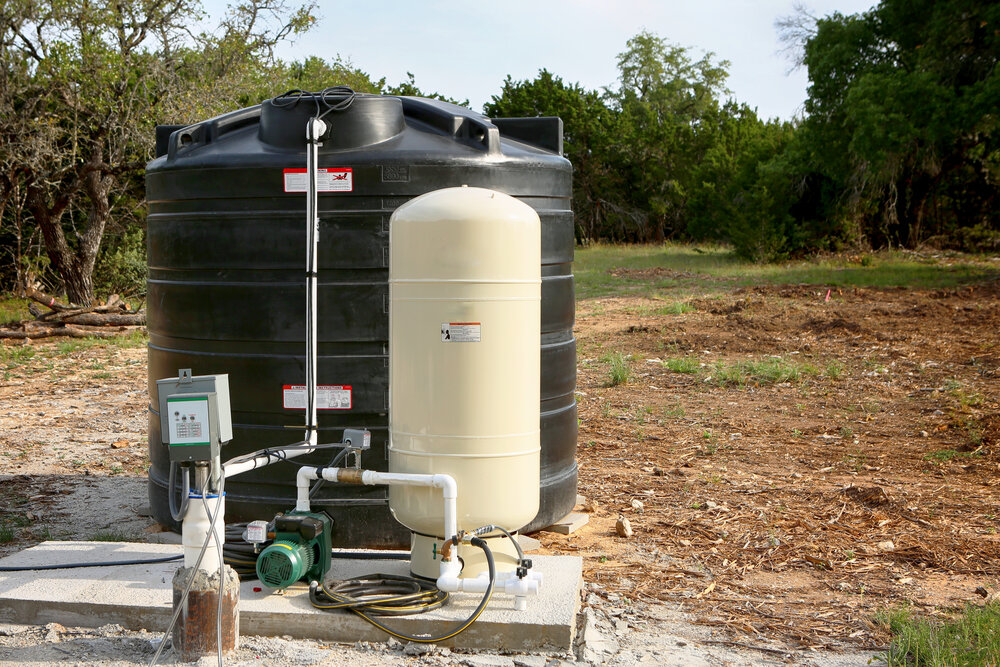
Most residential well systems include:
- Well casing and cap. Protects the well from surface contamination
- Submersible pump. Moves water from the aquifer to your home
- Pressure tank. Maintains steady water pressure
- Piping and filtration equipment
Older wells, particularly those built before the 1970s, may be more susceptible to contamination due to outdated construction or weaker surface seals.
Routine Well Maintenance Checklist
Homeowners should perform or schedule basic well maintenance each year.
Annual maintenance tasks:
- Test water for bacteria and nitrates
- Inspect the well cap and casing for damage
- Check for standing water around the wellhead
- Inspect plumbing connections and pressure tank
Every 3–5 years:
- Perform a full water chemistry test
- Inspect pump performance and system pressure
After flooding or repairs:
- Shock chlorinate the well
- Test water again before drinking
Keeping detailed records of water tests and service history can also help identify long-term trends in water quality.
Warning Signs of Well Problems
Contact a professional plumber if you notice:
- Sudden drop in water pressure
- Cloudy or discolored water
- New odors (such as sulfur or metallic smells)
- Air sputtering from faucets
- Pump cycling on and off frequently
These symptoms may indicate issues with the pump, pressure tank, or contamination within the well system.
Professional Help for Well Systems
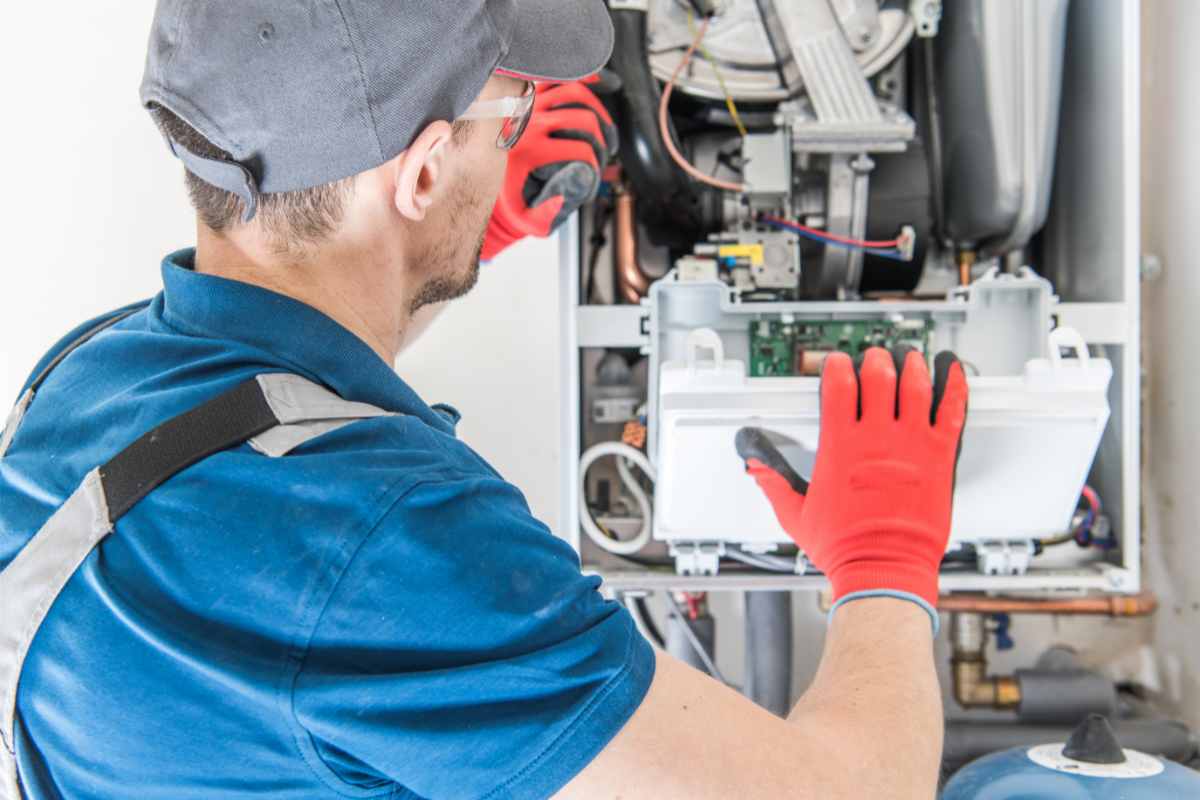
While homeowners can handle basic maintenance, certain well services require professional expertise, including:
- Pump replacement
- Pressure tank installation
- Well line repairs
- Water filtration system installation
- Troubleshooting low pressure or sediment problems
A licensed plumbing professional can diagnose issues and ensure your well system continues delivering clean, reliable water.
Keep Your Well Water Safe
Private wells are common throughout rural and semi-rural areas of Snohomish County, and proper maintenance is essential to keep them working safely.
By testing your water regularly and scheduling professional inspections when needed, you can protect both your home and your family’s health.
If you’re experiencing well water issues or want to schedule an inspection, reach out to Fischer Plumbing today.