Inside a Sewer Video Inspection: What Your Plumber Sees
When sewer problems show up, they rarely start with a dramatic backup. More often, the first clues are slower drains, gurgling sounds, or a faint sewer odor that seems to come and go. A sewer video inspection is the moment the guessing stops, giving you and your plumber a real‑time look inside the line so you can understand what is going wrong and how serious it is.
What Is a Sewer Video Inspection?
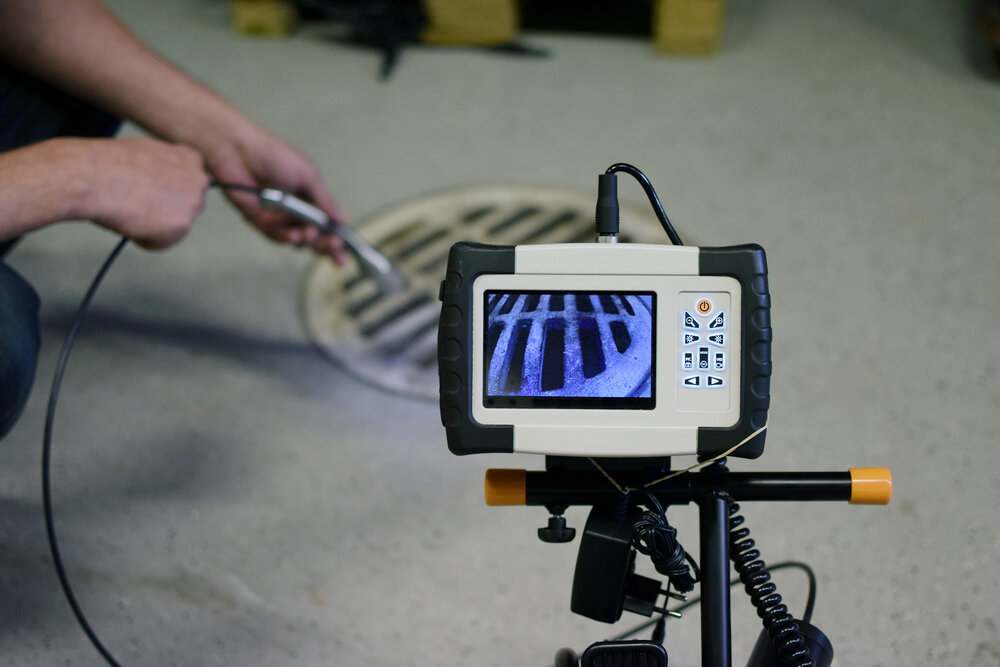
A sewer video inspection is essentially a health check for the pipe that carries wastewater from your home to the main sewer. A small, waterproof camera is attached to a flexible cable and guided through the line while it sends live images back to a monitor above ground.
Because the camera can travel the length of the pipe, your plumber can see the condition of the pipe walls, spot clogs or damage, and mark the exact location of any trouble areas without digging up your yard or breaking concrete. That visual evidence helps separate minor issues that need cleaning from structural problems that may require repair or replacement.
A Visit From Your Plumber
When the plumber arrives, the first step is to find a good access point to your sewer line. This is usually a cleanout or another service opening inside or just outside the home. Once that access is open, the technician begins feeding the camera cable into the pipe, guiding it gently through bends and joints while watching the live video feed.
As the camera travels, the plumber pauses whenever something looks suspicious. This could be pooled water, masses of buildup, tree roots, or cracks and rough spots along the pipe wall. Many systems include a distance counter, so the technician can pinpoint that location from the surface for a future repair. The inspection is often recorded so you can review the footage, get a second opinion, or compare conditions after repairs.
What the Camera Can Reveal
The inside of a sewer line tells a detailed story once it is viewed on screen.
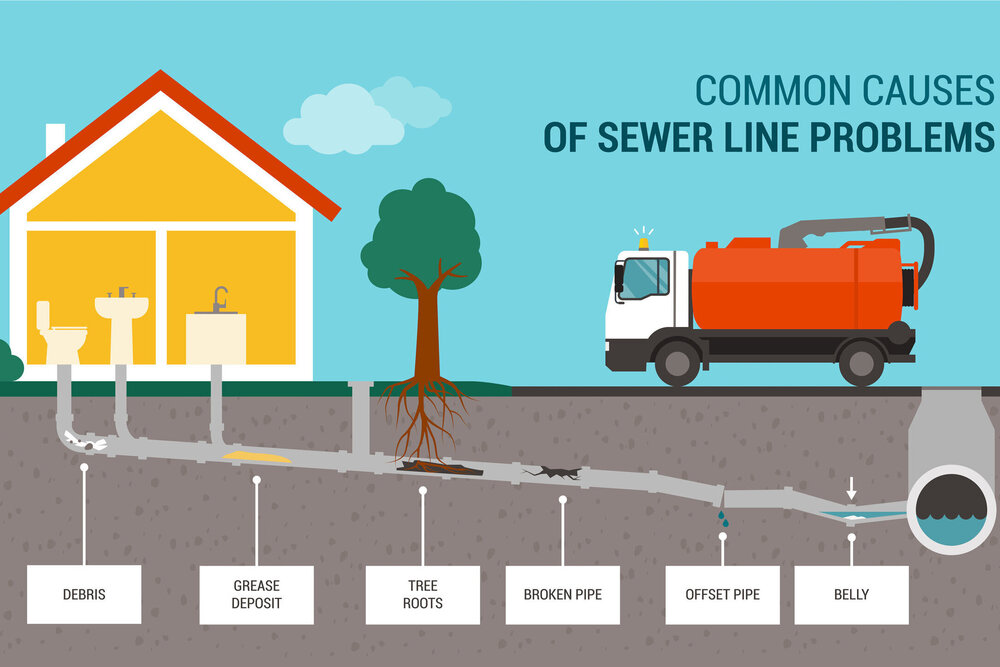
- Clogs and buildup. Debris such as grease, paper products, and hygiene items show up on camera as dark, dense areas or mounds. Seeing the clog’s exact nature and location helps your plumber decide which method is the best way to clear it.
- Tree roots often find their way into older clay or cast‑iron pipes through small cracks or loose joints. On video, these appear as thin strands or thick mats that can partially or fully block the line. Identifying root intrusion early can give you the chance to clear the pipe and repair weak spots before the line collapses.
- Cracks, breaks, and “bellies.” The camera can show cracks, pieces that have broken off, and sections where the pipe has shifted or settled. These create low spots known as “bellies” where water sits instead of flowing. These structural issues are often the reason clogs come back and point to the need for repairs, relining, or replacement.
- Pipe material and overall age. Video reveals what your sewer line is made of (clay, cast iron, PVC) and how it is aging. Corrosion, rough interiors, or widespread cracking may indicate that the line is nearing the end of its useful life.
Why It Matters to Homeowners
The real value of a sewer video inspection is the clarity it brings to an otherwise hidden part of your home. With clear footage, you can see whether you are dealing with a small blockage that needs cleaning, a few isolated cracks, or a larger pattern of damage that suggests the line is at risk of failing.
That information helps avoid unnecessary digging, reduces service visits, and prevents surprise failures. It is also especially helpful during a home purchase, when an unseen sewer problem could mean a significant repair bill after closing.
When It Is Worth Scheduling an Inspection
A sewer video inspection is worth considering if:
- You have recurring clogs or slow drains in multiple fixtures.
- You notice sewer odors or gurgling sounds from drains or toilets.
- Backups show up in the lowest level of the home, such as a basement bathroom or floor drain.
- Large or mature trees sit near the path of your sewer line.
- You are buying or selling an older home and want a fuller picture of its condition.
In many cases, a single inspection can confirm that your line is in good shape, or give you advance warning so you can budget and plan repairs on your terms instead of in the middle of an emergency.
Sewer Video Inspections With Fischer Plumbing
If your home is sending up warning signs, like repeat clogs, unexplained odors, or backups that keep returning, a sewer video inspection can show exactly what is happening in your line and how serious it is.
Fischer Plumbing uses professional camera equipment to inspect sewer lines throughout the Seattle area. We combine what the camera reveals with decades of experience working on local homes, older pipe materials, and root‑prone yards.
When you are ready for clear answers instead of guesswork, schedule a sewer video inspection. We’ll have a technician walk you through the footage and your repair options step by step.